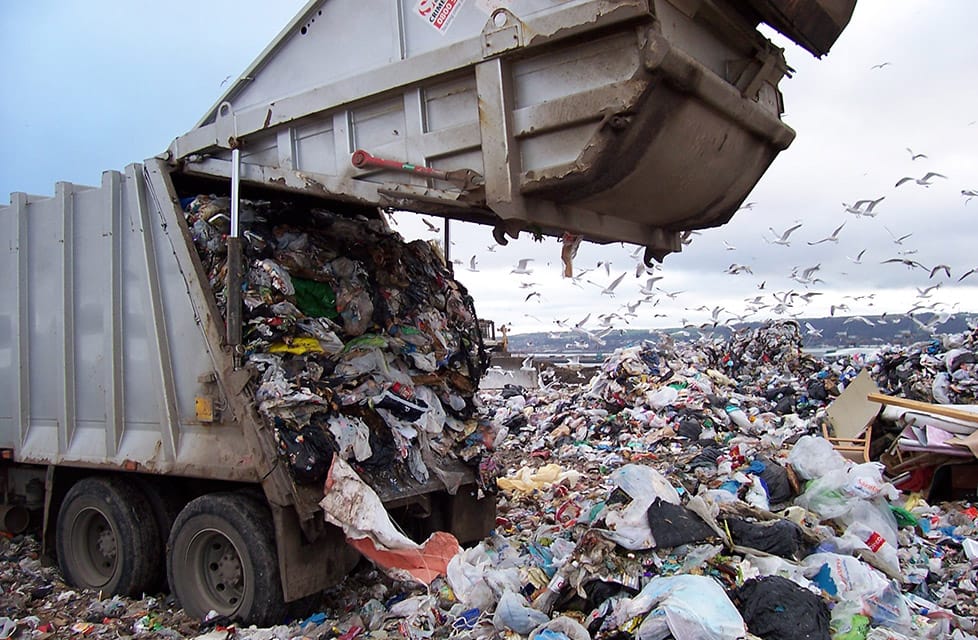
"One person's trash is another person's treasure."
Have you ever wondered what happens to your trash when you throw it out? The amount of garbage that is produced by humans every year is enough to fill up enough trucks to form a line to the moon.
Do you throw out things like batteries, CDs, egg shells or buttons? Take some inspiration from these phenomenal artists and see if you can look at your garbage in a different way. From a different perspective, garbage is not garbage at all!
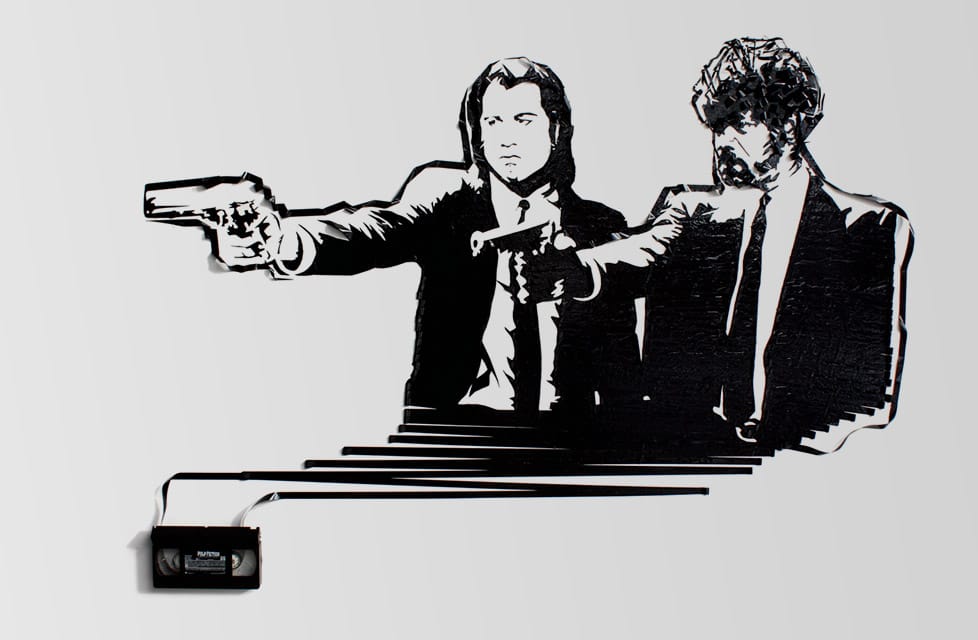
Most people today listen to music using digital files or CDs, but before this technology existed, most people relied on cassette tapes. Since music technology has progressed so rapidly, many people find themselves holding onto boxes of old cassette tapes with no cassette player to play them. What do they do with this obsolete technology? Well, if you are Erika Iris Simmons, you make art.
Simmons creates portraits of famous icons throughout history using only cassette tapes. She pulls out the ribbon from discarded tapes and arranges them to show the profiles or faces of famous figures.
Simmons created a series of these portraits in a collection named 'Ghost in the Machine'. It is as if the experiences and stories of these artists live on in her art. Do you recognize these famous artists?
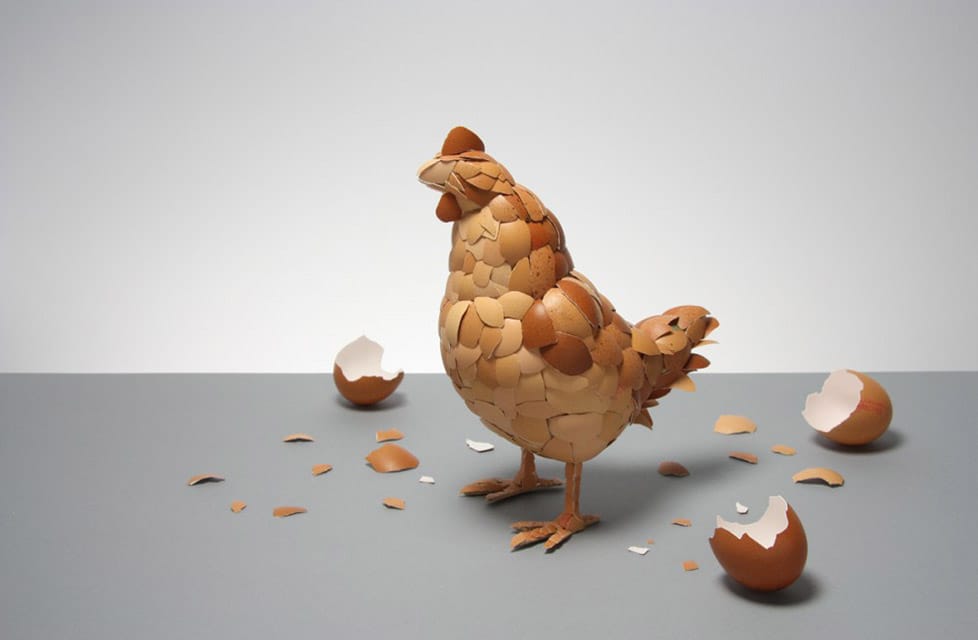
What came first, the chicken or the egg? Artist Kyle Bean seems to care less about that than about what happens to egg shells after we are done with the eggs.
This artist uses simple, everyday waste items to create inventive art. This piece was titled 'What Came First'.
If you are sitting in a classroom in school, it is likely that you will have the next materials on hand to use. To Kyle Bean, pencil shavings from a pencil sharpener present endless opportunities for creativity.
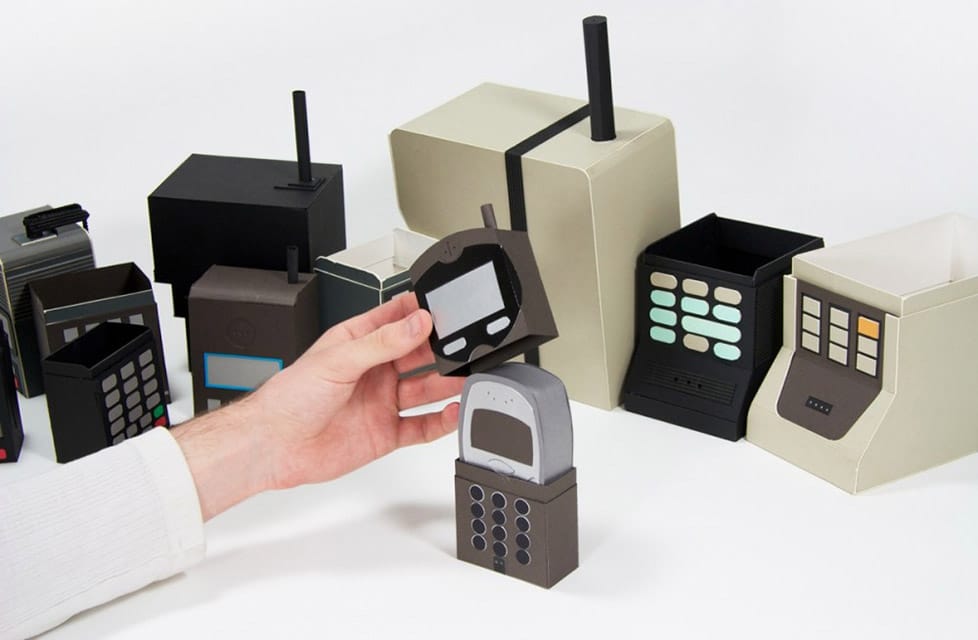
Kyle Bean also uses his art to make social statements. Check out the piece below, titled 'Mobile Evolution'.
Bean uses recycled cardboard to make a series of nesting dolls shaped like cell phones. He shows the progression of cell phone technology, from the bulky earliest designs to modern smart phones.
What do you think he is trying to say about technology in our society?
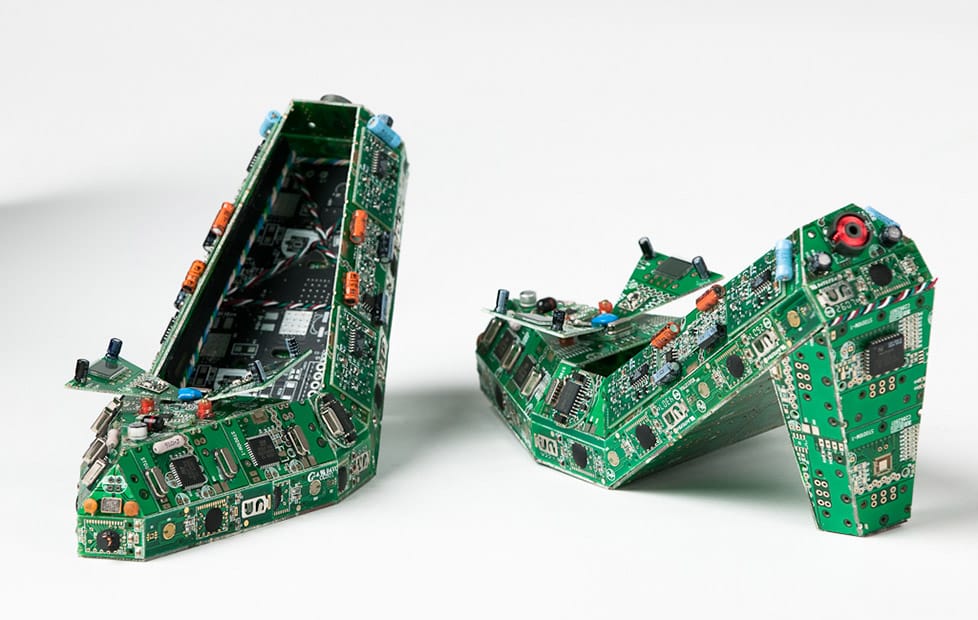
One of the hardest waste items to recycle or reuse is old computer components. Steven Rodrig's solution is to repurpose old parts to make art.
He takes circuit boards and electronic parts that no longer function and use them to make creative sculptures.
He has made everything from spiders to whole cities. He balances the green shade of most circuit boards with vivid wires in reds, blues and yellows.
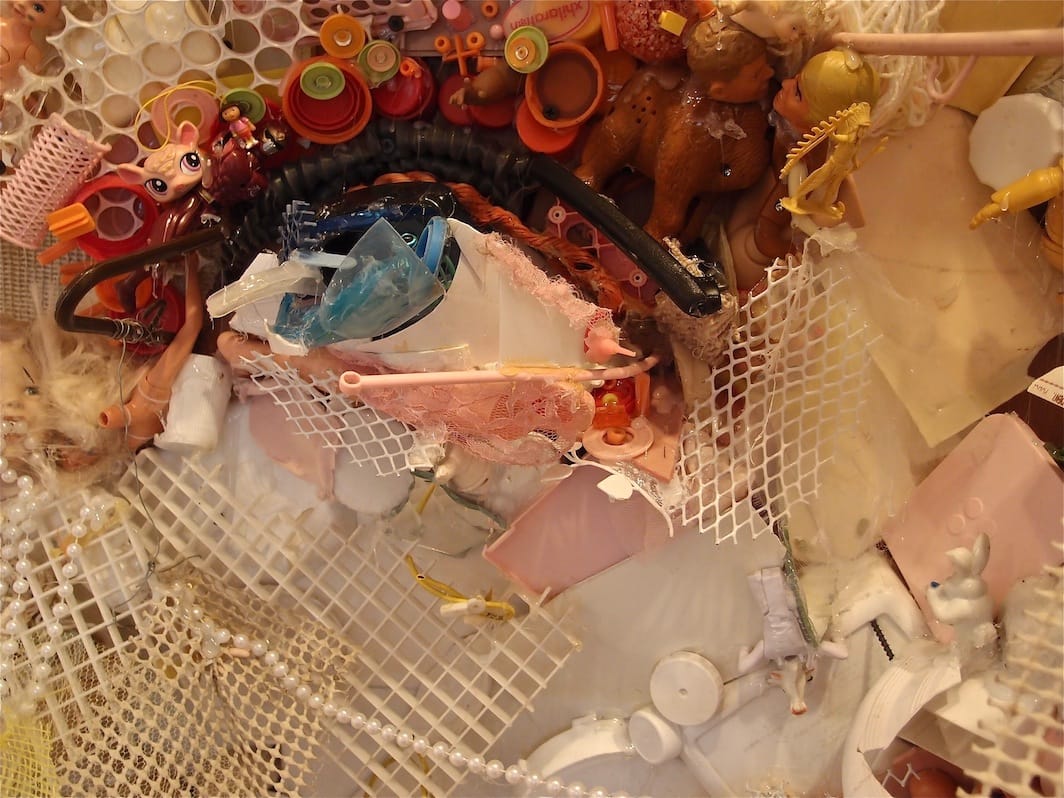
Tom Deininger excels at using many small, found pieces to create large collages. In his work, he pays great attention to the colours of each individual piece. He uses these colours to create pointillistic art that look truly remarkable.
Deininger wanted to use small pieces of garbage in his art because he wanted his viewers to think about how quickly little pieces of garbage can collect.
How many little pieces of garbage do you discard every day? In one lunch, you might have a plastic fork and spoon, a pair of chopsticks, a styrofoam lunch box, a can and a plastic straw.
What happens to all those items? In some public places, these little pieces of litter can be found in abundance. Little pieces add up!
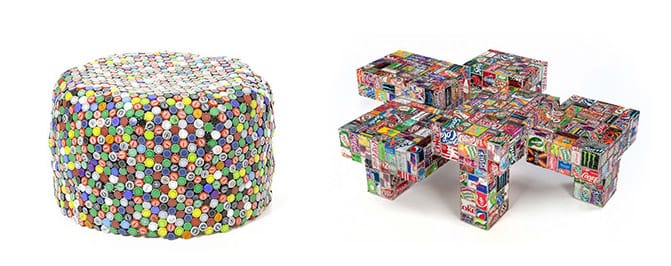
Finally, if making art is not your strength, and recycling is not readily available in your hometown, maybe you should consider upcycling. Upcycling is a process in which you transform a useless item into a new product that serves a new purpose.
All the pieces above were upcycled from discarded trash. Can you tell what they were made from?
Exercise
Open the exercise to begin the activity. Follow the instructions in the document.