When a global superstar comes to town, it's more than just a concert—it's a major economic event. Cities around the world compete to host these mega-events, sometimes offering special deals or incentives to attract them. But are these deals always fair? In this lesson, we'll explore the debate around Taylor Swift's "Eras Tour" in Southeast Asia and analyze how cities weigh the costs and benefits of hosting major cultural events.

Warm-up (5 mins)

Think about a mega-event that happened in your city or country. It could be a concert, a sports tournament (like the Olympics or World Cup), or a large festival. With a partner, discuss the following questions:

  • What was the event?
  • Did it boost (help) or disrupt (interrupt) daily life in the city?
  • In your opinion, was the event a net positive or a net negative for the residents? Why?

Case Read: The Singapore Situation (10 mins)

Read the short text below about a real situation that happened in March 2024. As you read, think about the key players and their motivations.
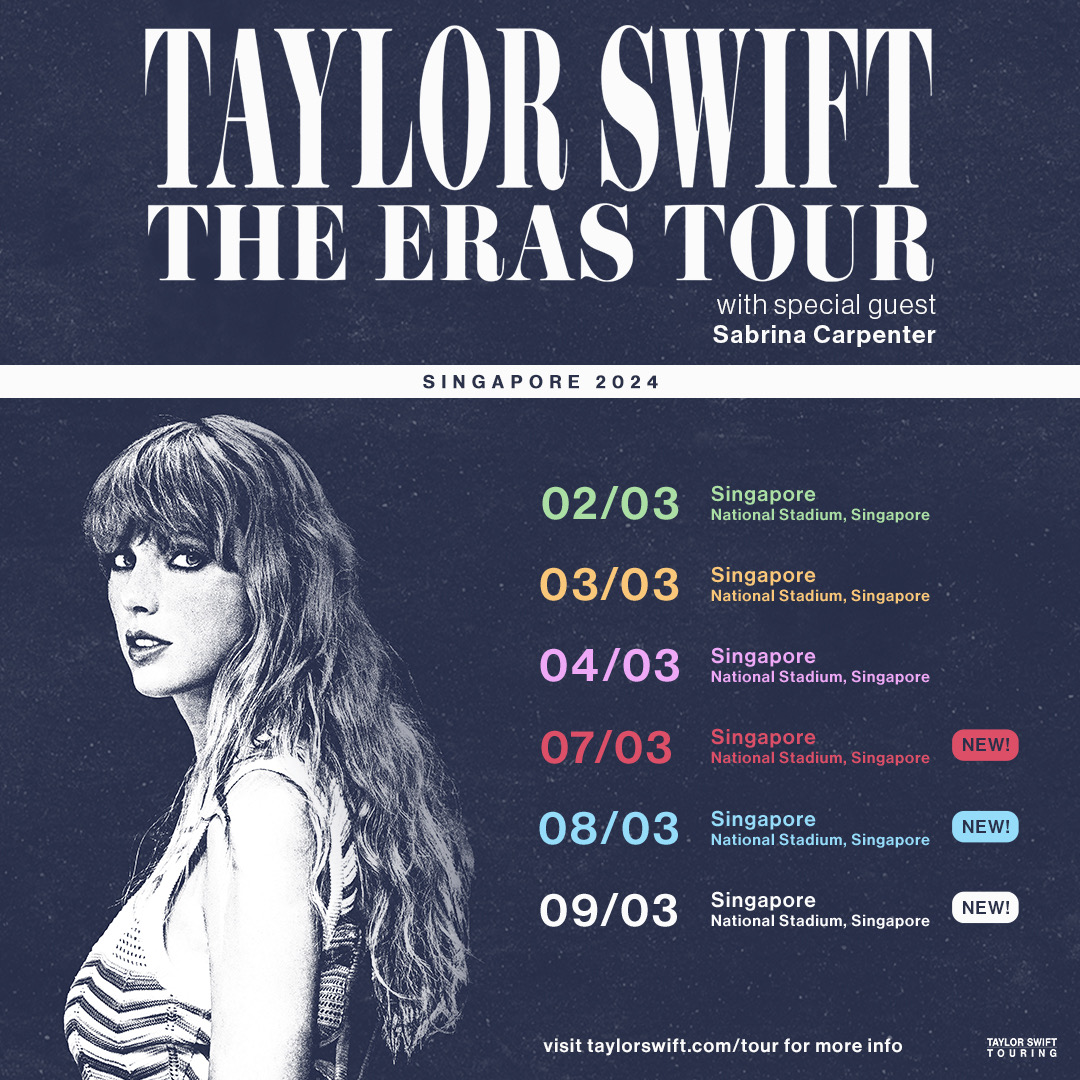
Taylor Swift The Eras Tour

The "Eras Effect" Sparks Debate

In 2024, American pop star Taylor Swift's "Eras Tour" was the biggest music event in the world. For its Southeast Asian leg, Singapore was the only stop. This was no accident. The Singaporean government confirmed it had provided a grant to the concert promoter to secure this exclusivity. As a result, hundreds of thousands of fans flew to Singapore from neighboring countries like Thailand and the Philippines.

The decision brought a massive economic boost to Singapore. Hotels, airlines, and restaurants were fully booked. However, leaders in neighboring countries were not happy. One Thai politician said the deal was unfair to the region, as it prevented other nations from sharing in the tourism and economic benefits. The situation started a global conversation: Should governments use taxpayer money as an incentive to attract exclusive events? What is the right balance between national benefit and regional cooperation?

Language Focus: Persuasion & Causation

When discussing policy decisions, we often use specific language to explain causes and effects, and to frame our arguments around benefits, costs, and trade-offs.

Cause and Effect

To show that one thing causes another, we use words like therefore, as a result, and consequently.

Singapore offered an exclusive deal; as a result, they were the only tour stop in the region.

The tour brought in many tourists. Therefore, local businesses saw a significant increase in revenue.

Persuasive Frames

To argue for or against a decision, we can frame our points as benefits, costs, or trade-offs.

  • A benefit is a positive outcome or advantage.
  • A cost is a negative outcome or disadvantage (not always financial).
  • A trade-off is a situation where you accept a negative thing in order to get a positive thing.
Frame Example Sentence
Benefit The main benefit of hosting is the massive boost to our tourism industry.
Cost A significant cost is the increased traffic and strain on public transit.
Trade-off There is a trade-off between the economic revenue from the event and the noise disruption for local residents.

Budget & Bylaw Lab (25 mins)

Instructions

Work in small teams. You are the city council for your city. A major global artist wants to perform in your largest stadium for six nights. Your team must design an "event incentive package" to attract them. Decide on the following four policy points. You must be prepared to justify your choices using the language of benefits, costs, and trade-offs.

City Event Proposal Kit

1. Venue Hours:

  • Option A: Standard hours (concert ends at 11:00 PM).
  • Option B: Extended hours (concert can go until 12:30 AM).

2. Public Transit:

  • Option A: Normal service hours.
  • Option B: Extend subway/bus service for 2 hours after the event (this has a cost to the city).

3. Noise Bylaw: (A bylaw is a local law)

  • Option A: Enforce the standard city noise limits.
  • Option B: Grant an exemption, allowing for higher noise levels.

4. Tourism Levy: (A levy is a type of tax)

  • Option A: Apply a standard 5% hotel and restaurant tourism levy.
  • Option B: Waive the levy for the event week to attract more tourists.

Press Scrum (15 mins)

It's time to face the press! Each team will present its event package to the class.

  1. Pitch (45 seconds): One person from your team will give a short speech explaining your package and why it's the best choice for the city. Try to use the cause-effect and persuasive framing language we studied.
  2. Q&A (1-2 minutes): The other students will act as journalists. Ask accountability questions about the potential negative impacts of the chosen policies. Use polite disagreement phrases.

Helpful Phrases for Journalists

  • I understand the point about economic benefits, but what about the impact on...?
  • Have you considered the potential cost for residents who are not attending the event?
  • Could you explain the trade-off you are making with the noise bylaw decision?

Exit (5 mins)

Think about the event package your team designed. If you could only track one piece of data to measure if your plan was a success, what would it be?

Share your metric with the class. For example:

  • Total revenue from hotel bookings.
  • Number of noise complaints filed by residents.
  • Late-night transit ridership numbers.
  • Sales data from small businesses near the stadium.

Exercise

keyboard_arrow_up