Have you ever received a new medication and felt overwhelmed by the instructions? Reading health information correctly is a critical skill, not just for personal safety but also for academic and professional settings where you might need to understand technical documents. In this lesson, we'll analyze common health documents to understand their structure, vocabulary, and grammar. This will help you interpret important information accurately and confidently.
Reading: Analyzing Health Documents
Health documents like medicine labels and informational brochures are designed to be clear and direct. They use specific headings and language to convey essential information. Let's look at two examples.
Example 1: Medicine Label
Below is a typical prescription medicine label. Notice how it is organized into sections to make the information easy to find.
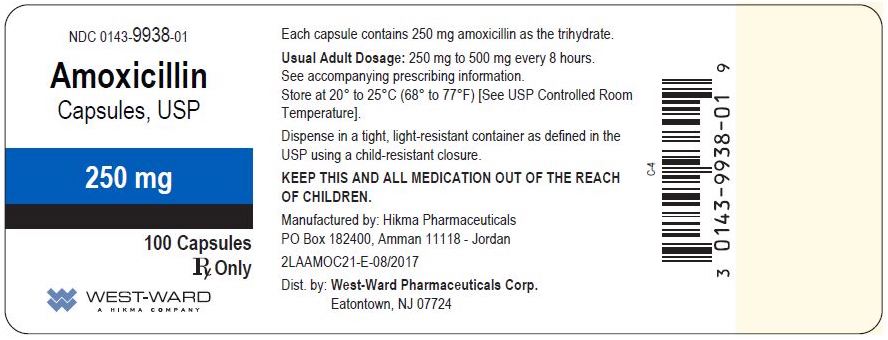
Amoxicillin Capsules, USP 250 mg
Each capsule contains 250 mg amoxicillin as the trihydrate.
Usual Adult Dosage: 250 mg to 500 mg every 8 hours. See accompanying prescribing information.
Store at 20° to 25°C (68° to 77°F) [See USP Controlled Room Temperature].
Dispense in a tight, light-resistant container as defined in the USP using a child-resistant closure.
KEEP THIS AND ALL MEDICATION OUT OF THE REACH OF CHILDREN.
Manufactured by: Hikma Pharmaceuticals
Dist. by: West-Ward Pharmaceuticals Corp.
Example 2: Informational Brochure
Health brochures provide general advice and precautions about a condition. They often use questions and bullet points to organize information.
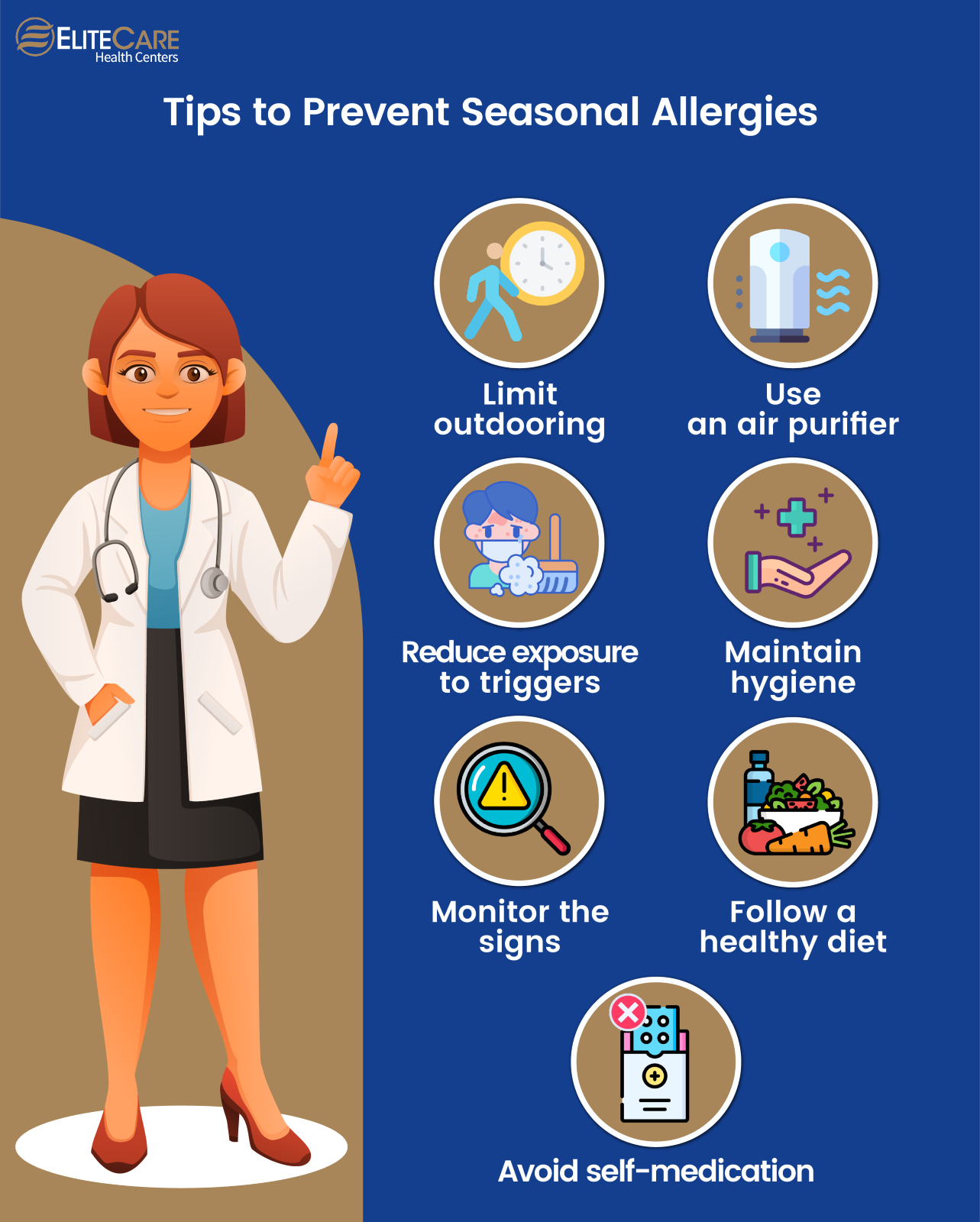
Tips to Prevent Seasonal Allergies
Here are some helpful tips to prevent seasonal allergies:
- Limit outdoor activities when pollen counts are high.
- Use an air purifier to filter allergens from indoor air.
- Reduce exposure to triggers like dust mites and pet dander.
- Maintain hygiene by washing hands and clothes regularly.
- Monitor the signs and be aware of when your symptoms worsen.
- Follow a healthy diet to support your immune system.
- Avoid self-medication; consult a healthcare professional for proper treatment.
Vocabulary
Understanding the following words is essential when reading health information. Review the definitions and examples.
| Word | Definition | Example |
|---|---|---|
| dose | The specific amount of medicine that should be taken at one time. | The usual adult dose is 250 mg to 500 mg every 8 hours. |
| instruction | A direction or order; detailed information about how something should be done. | See accompanying prescribing information for further instructions. |
| warning | A statement that tells you about a possible danger, problem, or other unpleasant situation. | KEEP THIS AND ALL MEDICATION OUT OF THE REACH OF CHILDREN. is an important warning. |
| treatment | Medical care given to a patient for an illness or injury. | This medication is a common treatment for bacterial infections (as implied in a typical use case). |
| duration | The length of time that something continues. | (While not explicitly on this label, dosage frequency implies a duration of treatment to be determined by a doctor). |
| precaution | An action taken to prevent something dangerous or unpleasant from happening. | Dispense in a tight, light-resistant container as a precaution to maintain the drug's efficacy. |
| side effects | Unwanted or unexpected effects that may occur as a result of taking a medication. | (This specific label does not list side effects; that information would be in the accompanying prescribing information). |
Grammar Focus: Giving Instructions & Warnings
Unlock full access by logging in. Registered users can explore the entire lesson and more.