Have you ever seen an advertisement on a bus or a short video on social media that wasn't trying to sell you a product, but was giving you health advice? These are public health messages. Governments and health organizations use them to communicate vital information, especially during a health crisis like a disease outbreak. In this lesson, we will decode these messages to understand their purpose, the language they use, and how they try to influence our behavior. Understanding these messages is a key skill for academic reading and listening, as you will often encounter data and recommendations from health authorities. We will focus on key vocabulary like vaccine, outbreak, protect, exposure, symptoms, alert, and transmission.
Message Decoding Workshop
Look at the three public health messages below. Each one has a different tone and purpose. For each message, think about the following questions:
- What is the main message?
- Who is the target audience?
- What is the purpose of the message (to inform, warn, or reassure)?
- What action does it want you to take?
- How does the choice of images and words create a specific tone?
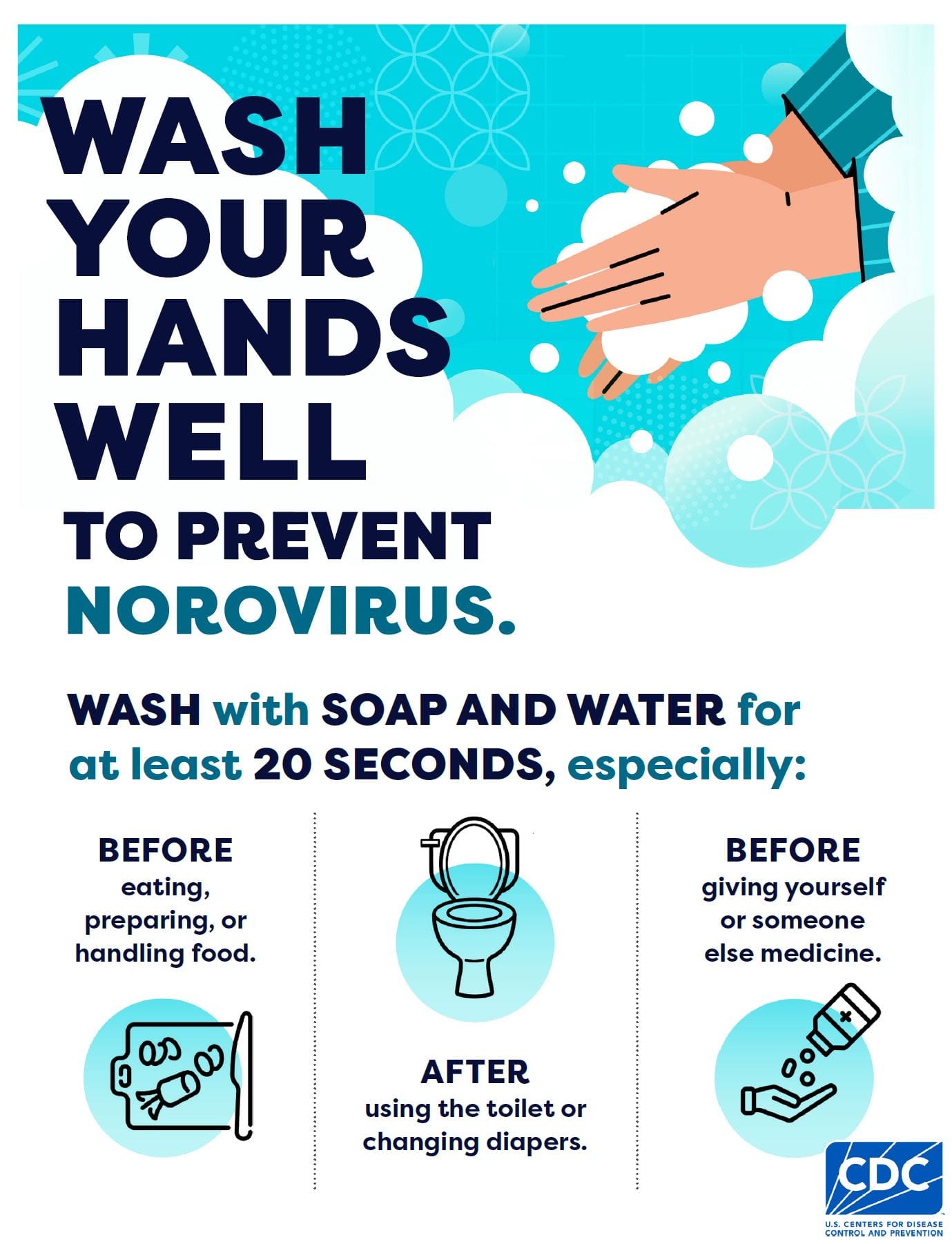
Message 1: Informative
This poster from the Centers for Disease Control and Prevention (CDC) provides clear, step-by-step instructions. Its goal is purely educational.
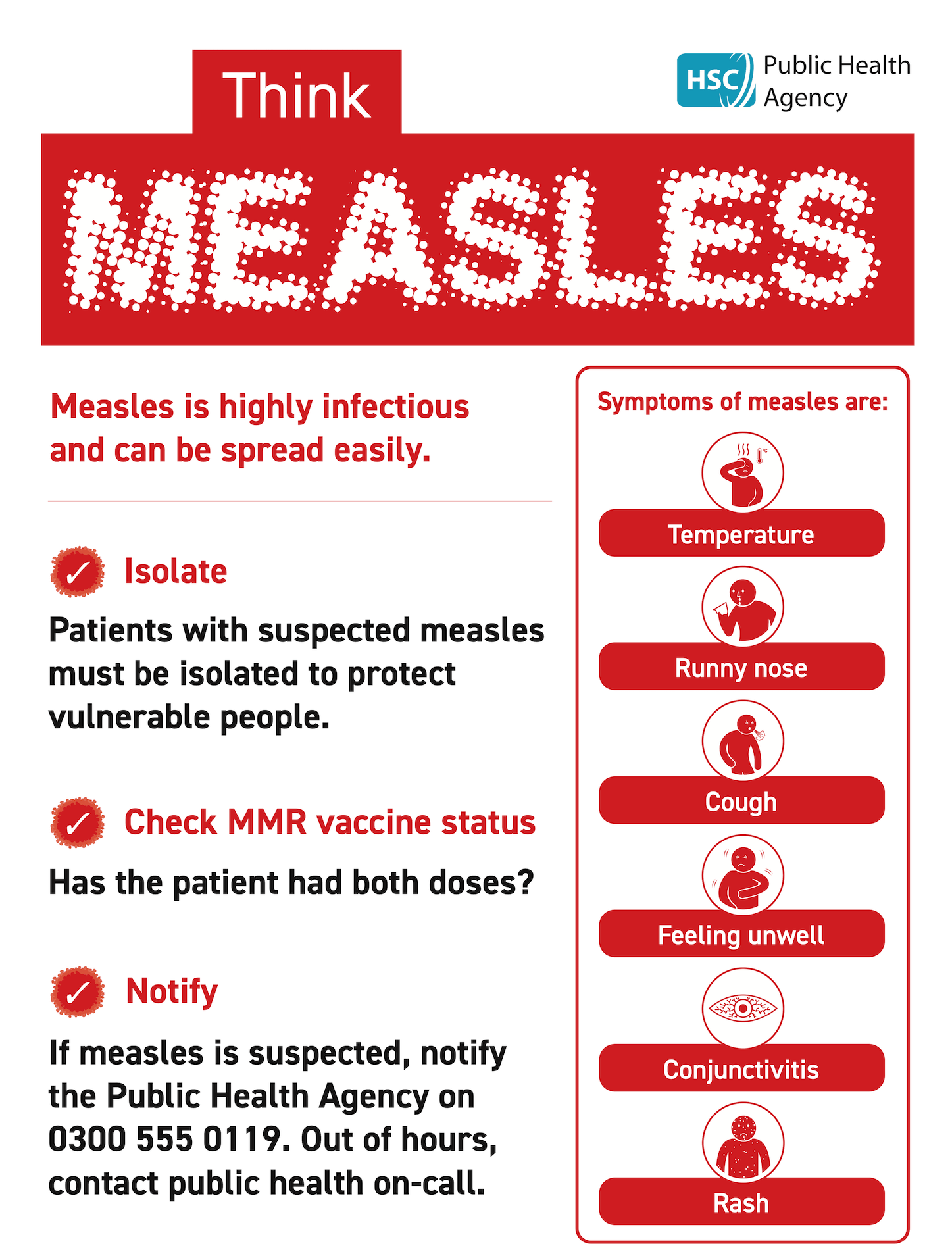
Message 2: Urgent
This message from the Public Health Agency uses strong colors and direct commands to create a sense of urgency about a serious disease. Notice that it is targeted specifically at health professionals.
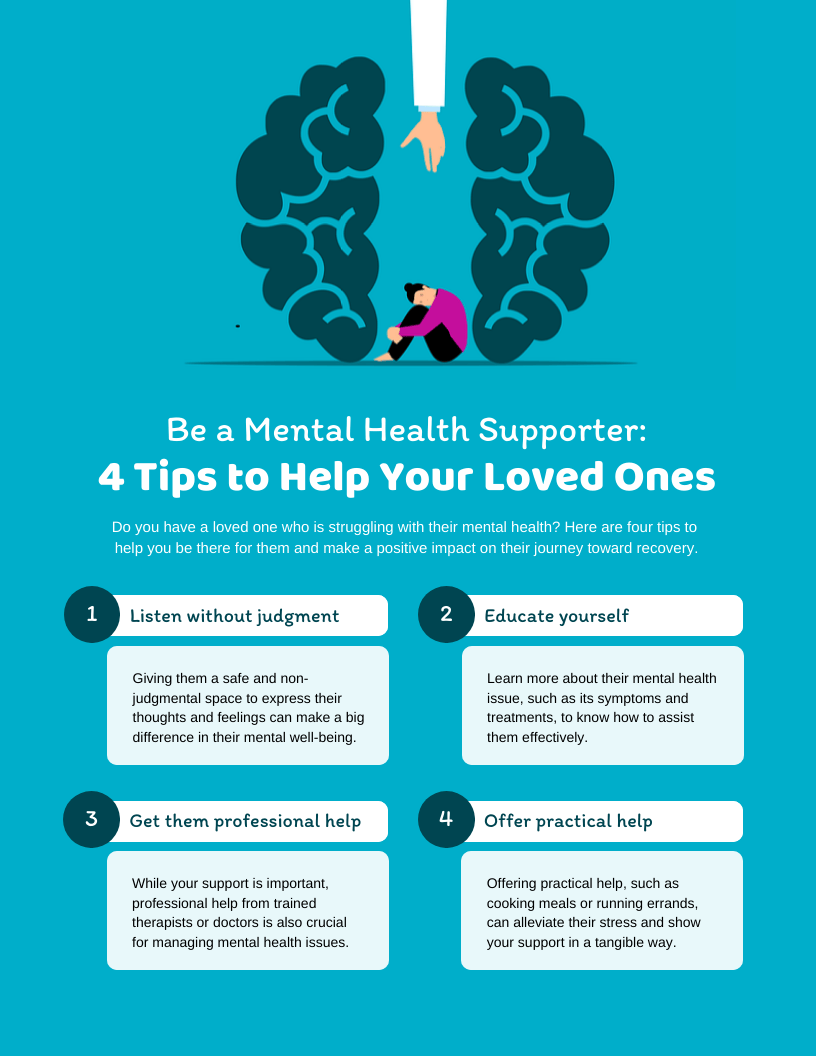
Message 3: Reassuring
With a calming design and supportive language, this message aims to reassure people and empower them to support the mental health of their loved ones.
Grammar Focus
Public health messages often use specific grammatical structures to sound authoritative and clear. Let's look at three common forms.
Passive Voice
The passive voice is often used in formal and scientific communication to emphasize the action rather than the person performing it. This creates an objective and official tone. The structure is: subject + form of 'to be' + past participle.
A new vaccine has been developed to stop the transmission of the virus. (Focus is on the vaccine, not who developed it.)
Information about the symptoms will be provided to all residents. (Focus is on the information.)
Patients with suspected measles must be isolated to protect vulnerable people.
Command Forms (Imperatives)
Command forms are used to give direct orders, instructions, or strong advice. They are simple and powerful, making them effective for public health alerts where immediate action is needed. The structure is the base form of the verb.
Wash your hands well.
Check MMR vaccine status.
Listen without judgment.
Conditional Warnings
Conditional sentences, especially the first conditional, are used to explain the consequences of actions (or inaction). They create a clear link between a behavior and a potential outcome, which is a powerful way to persuade people. The structure is often: If + present simple, ... will + base verb.
If you have exposure to the virus, you will need to quarantine for 14 days.
If measles is suspected, notify the Public Health Agency.
If an outbreak is not controlled, the healthcare system will be overwhelmed.
Vocabulary
Unlock full access by logging in. Registered users can explore the entire lesson and more.