
Lessons and practice
Ready-to-teach lessons, with practice marked automatically
Each lesson presents readings, conversations, vocabulary and audio at a level mapped to the Common European Framework of Reference (CEFR), and is followed by practice on the same language. Teachers present lessons on the classroom display; students open them on any device and see their score when they submit.

In the classroom
Designed for teacher-led classes
Lessons are written for a teacher leading a class, with students following on their own devices.
Teach from the display
Open the lesson on the classroom display and teach straight from it.
The same lesson on every device
Students follow in a browser or on the Smrt Study app for iOS and Android.
Key points
Key points sum up what a lesson teaches in one line, so students always know the main idea.
Levels mapped to CEFR
Every lesson belongs to a course at a known level, from first words to academic English.
How a unit is built
Every unit follows a proven sequence
A unit opens with its objectives and sequence, and its lessons are grouped by skill category, such as grammar, vocabulary, listening, speaking, reading, writing and use of English. The steps below show the usual path through a unit.
Objectives
The opening lesson states what students will be able to do by the end of the unit, and the order of its lessons.
Vocabulary
The key words for the unit, presented with pictures and audio.
Grammar and language
New structures are presented in context, then practised straight away.
Listening and reading
Conversations, articles and documents built around the unit theme.
Speaking and writing
Role-plays and discussions in pairs and groups, and model texts that students follow in their own writing.
Review
A unit review and a quiz check what students have learned before the next unit.
Video, audio and speaking
Listening and speaking practice inside each lesson
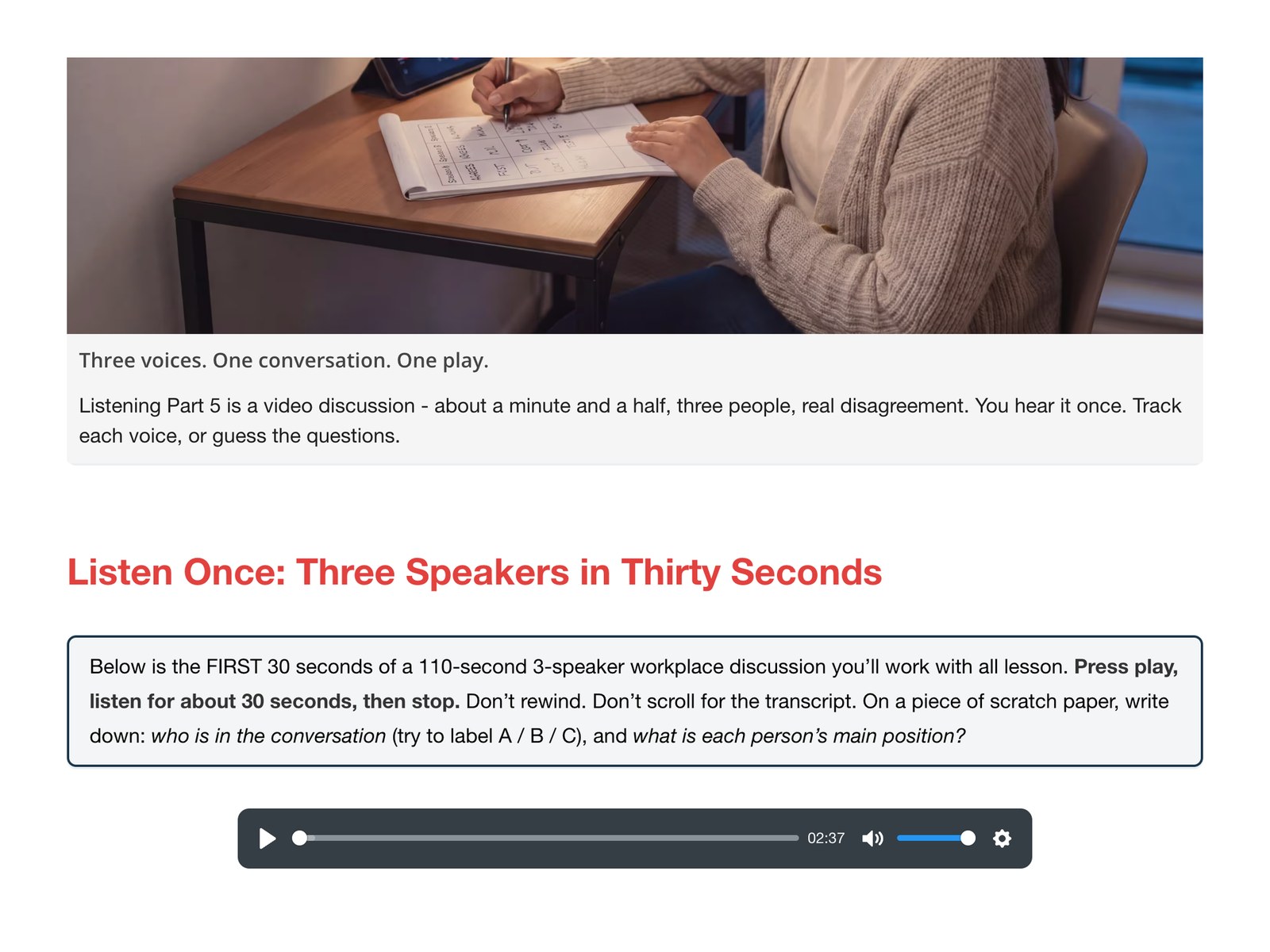
Video and audio play on the lesson page, so listening work needs no separate tool in class or at home. Speaking answers can be recorded and are marked by the teacher.

Vocabulary
Unit vocabulary with pictures and audio
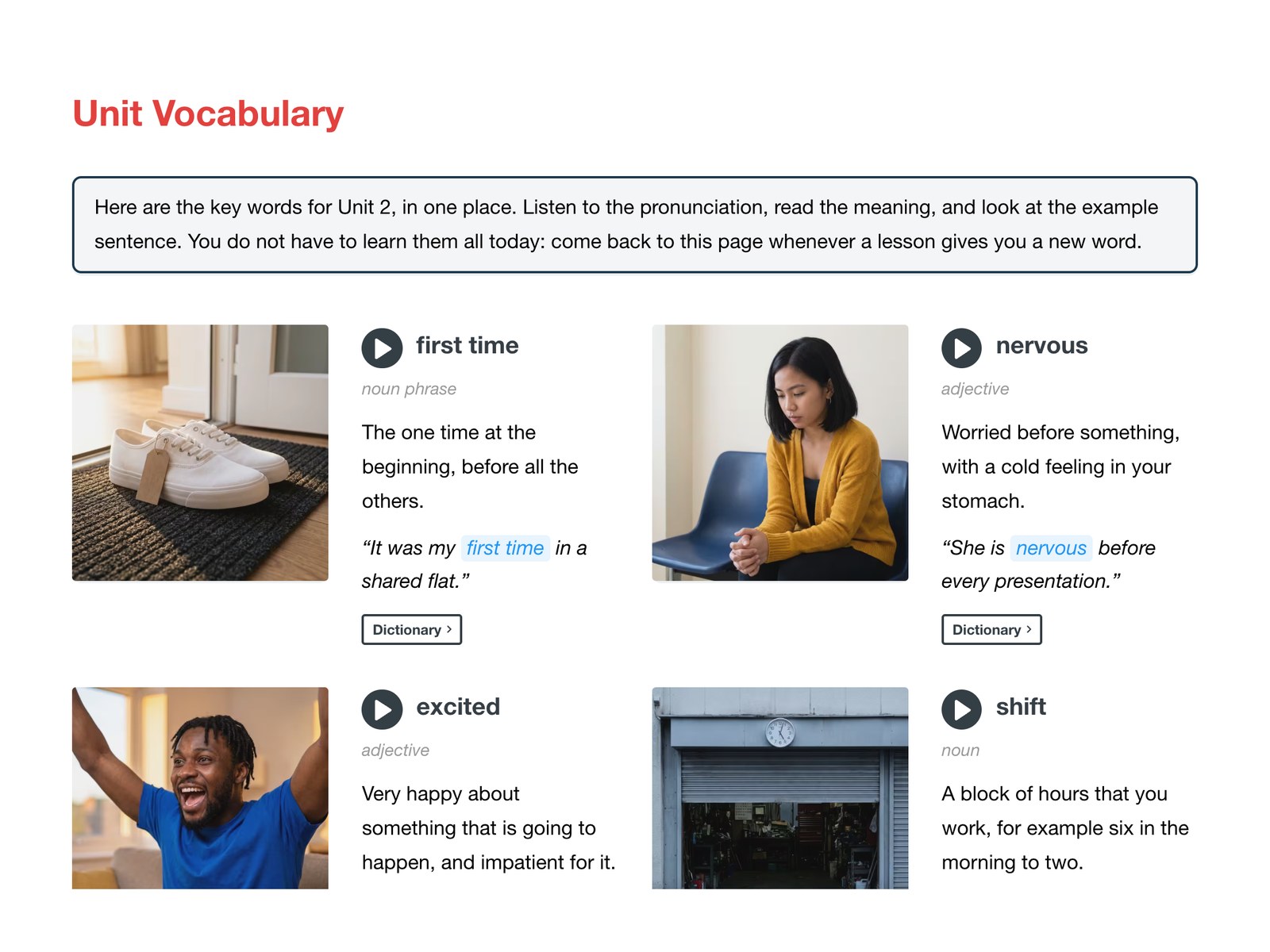
In our newest courses, each unit presents its key words on one page. Students hear each word, see it in a photo and read a plain-English meaning and an example sentence. They can return to the page whenever a lesson uses the word.
- checkA photo made for every word
- checkAudio for the word and the example sentence
- checkPlain-English meanings and a dictionary link
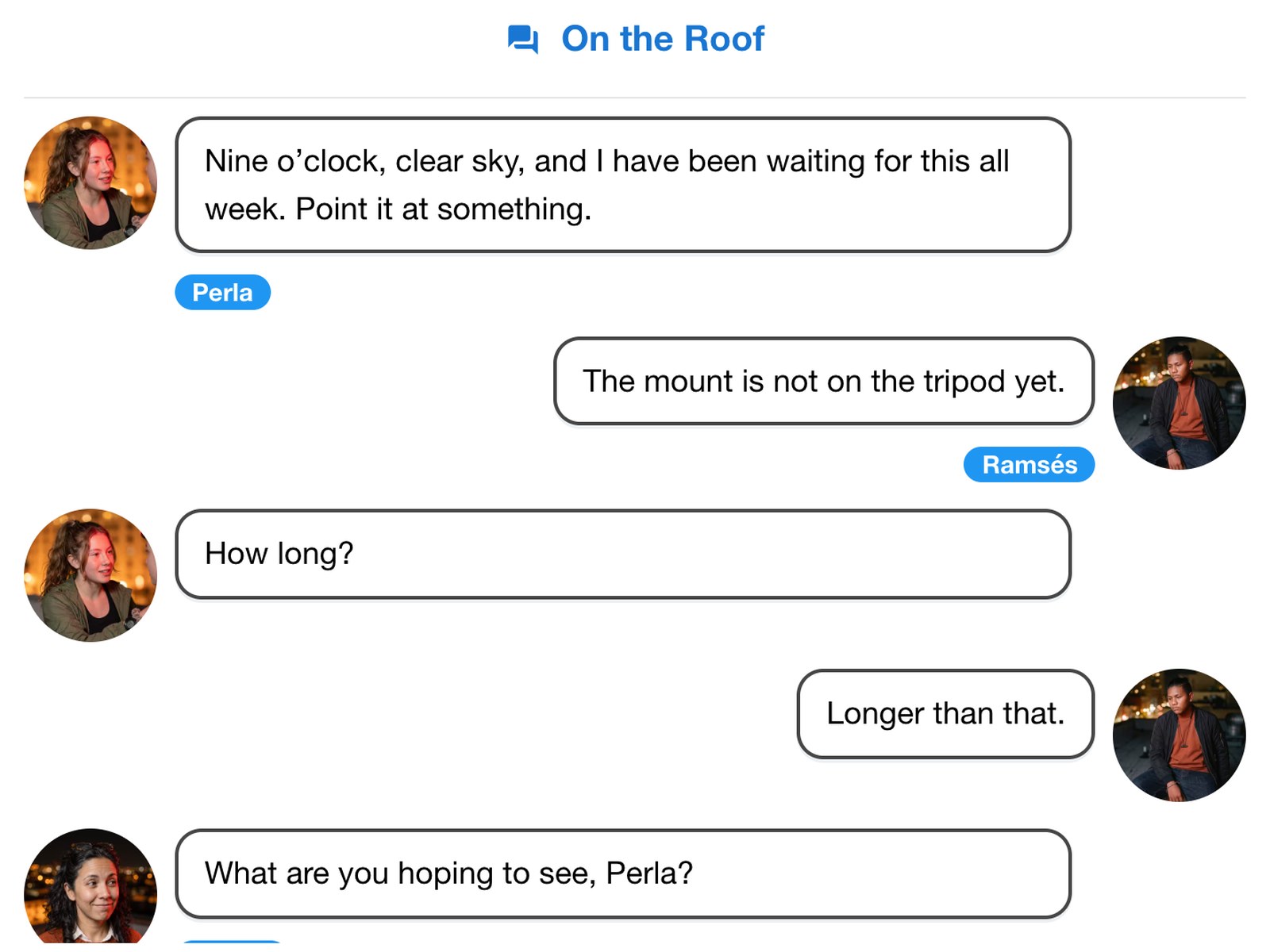
Characters and conversations
Recurring characters and voiced conversations
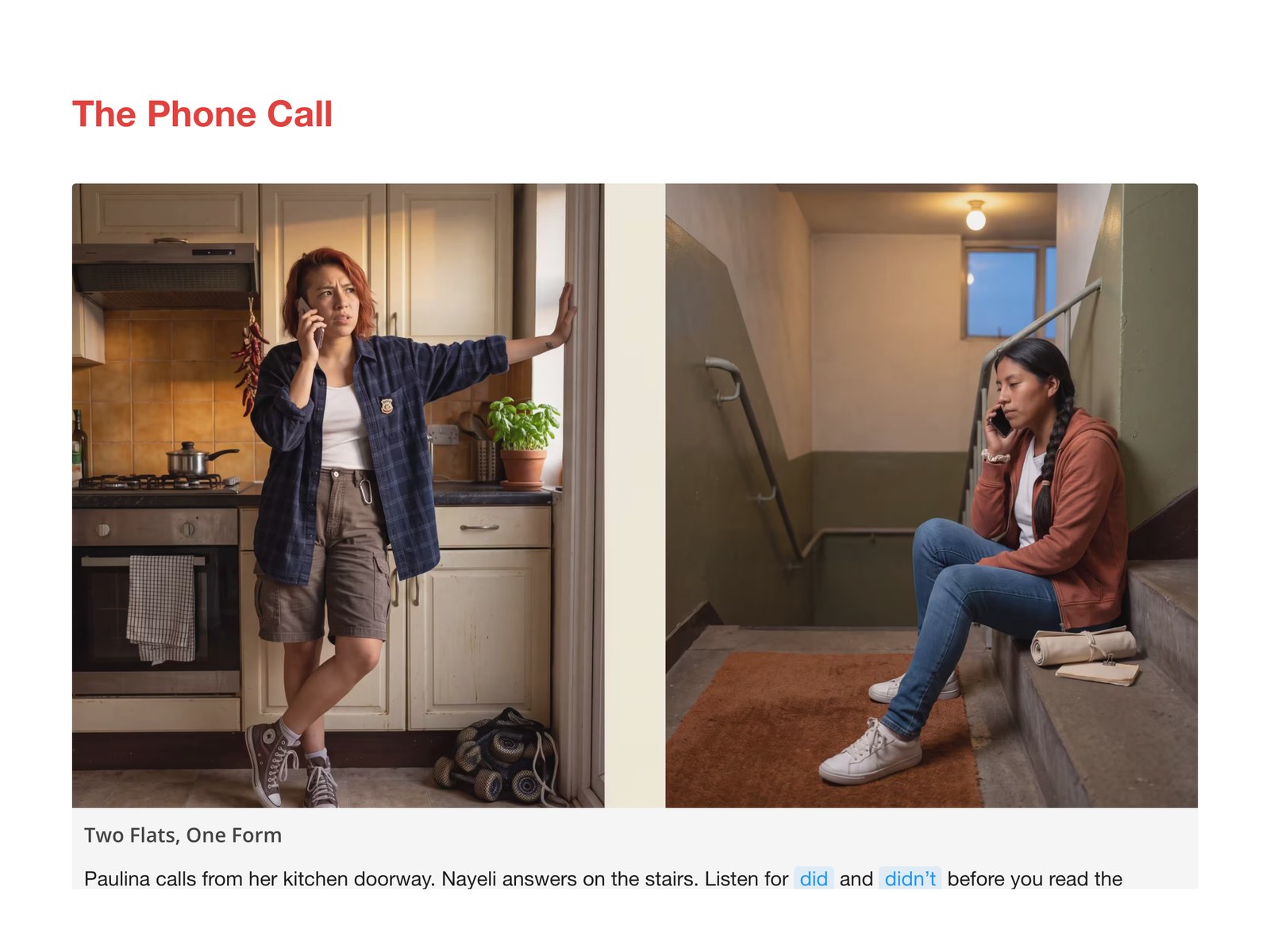
In our newest courses, the same characters appear throughout a unit, so students come to know them. Conversations are voiced and illustrated, and students listen before they read the transcript, with the target language highlighted.
- checkRecurring characters across the unit
- checkVoiced conversations students can replay
- checkTranscripts after the first listen
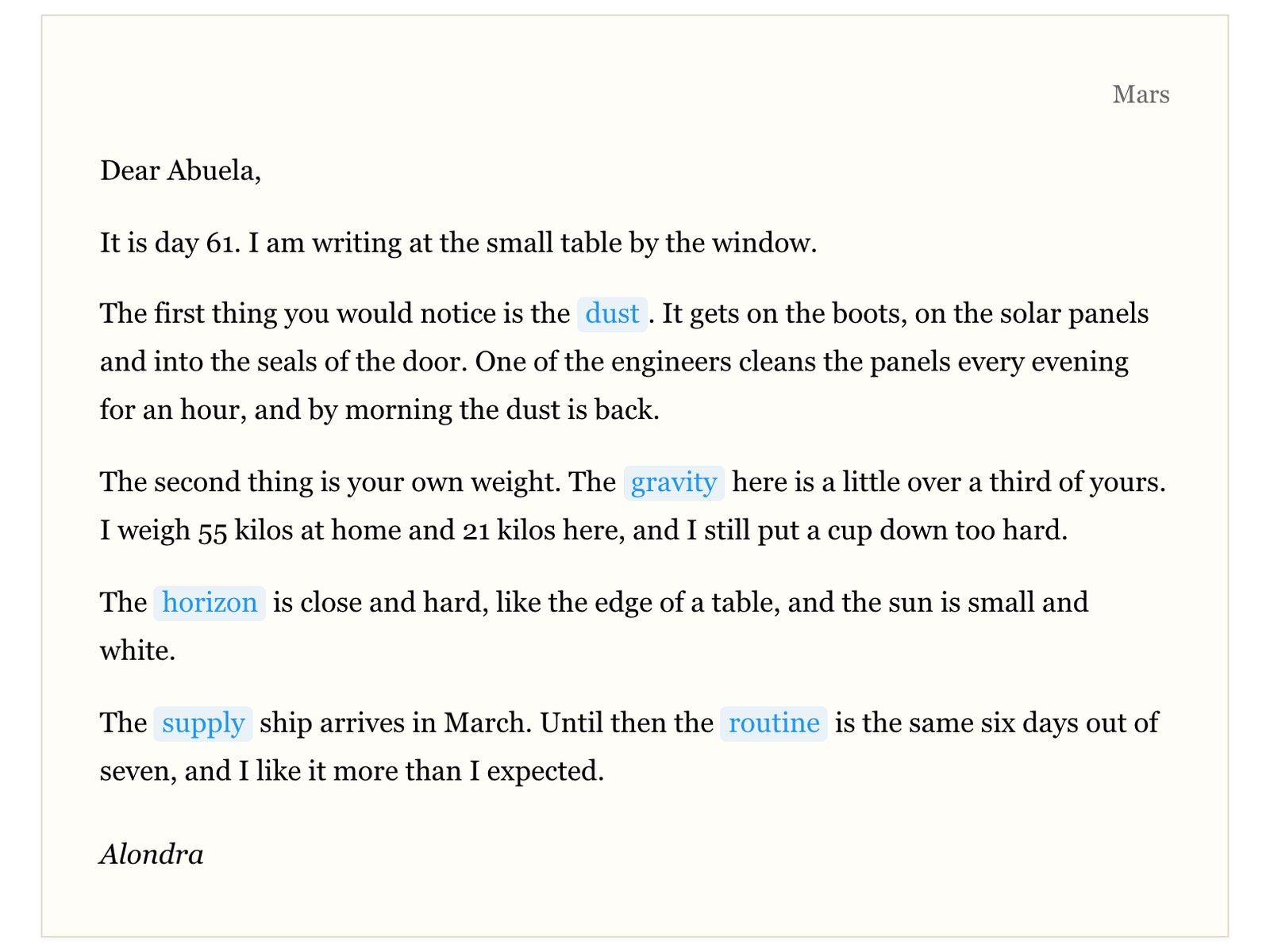
Readings
Reading texts in real-world formats
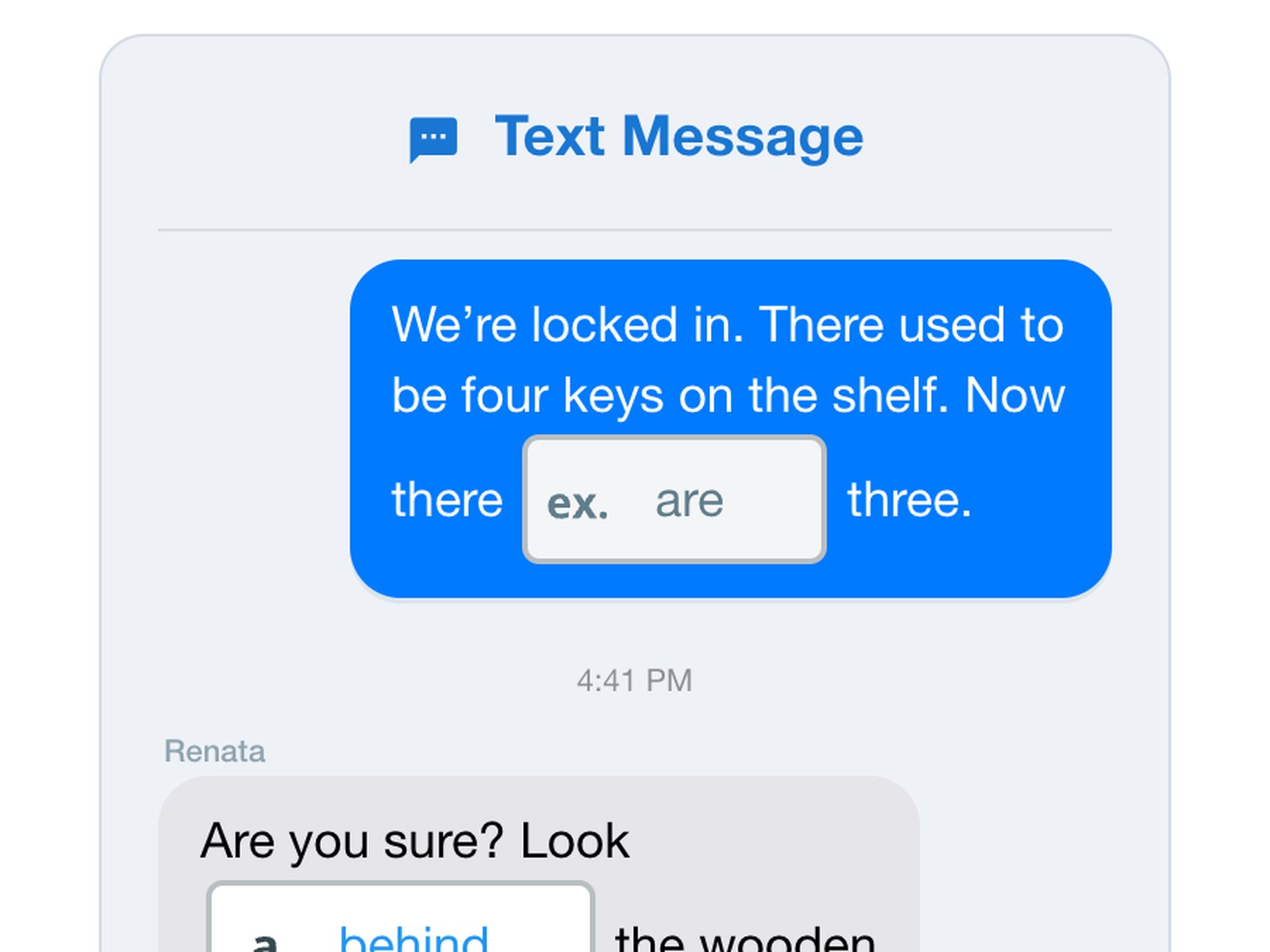
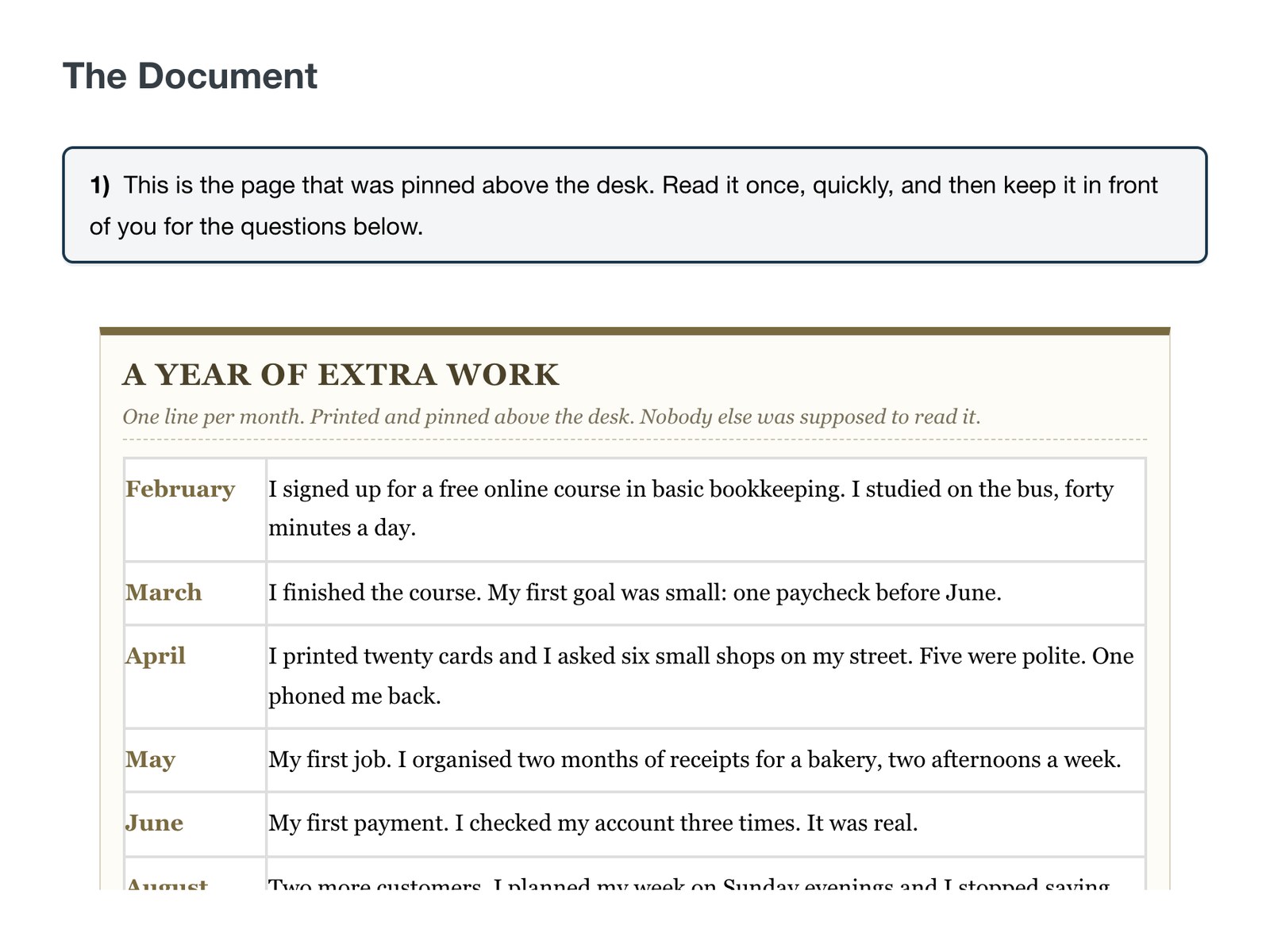
Letters, articles, timelines, text threads and reports are written for the level. They also serve as model texts when students write their own.
- checkReal formats, written for the level
- checkNew words highlighted in the text
- checkModel texts for writing tasks
Across the curriculum
Subject content taught in English, with language objectives first
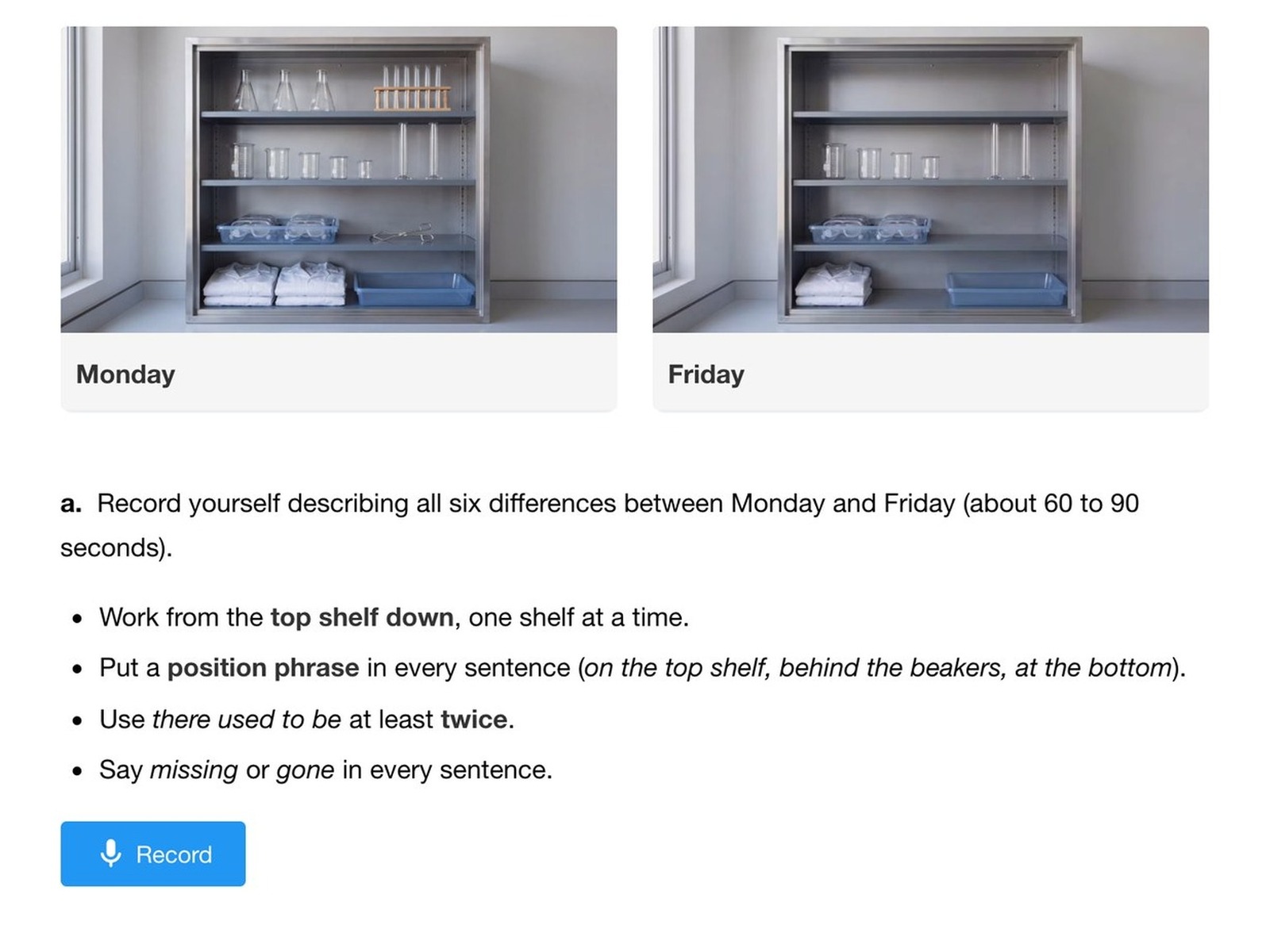
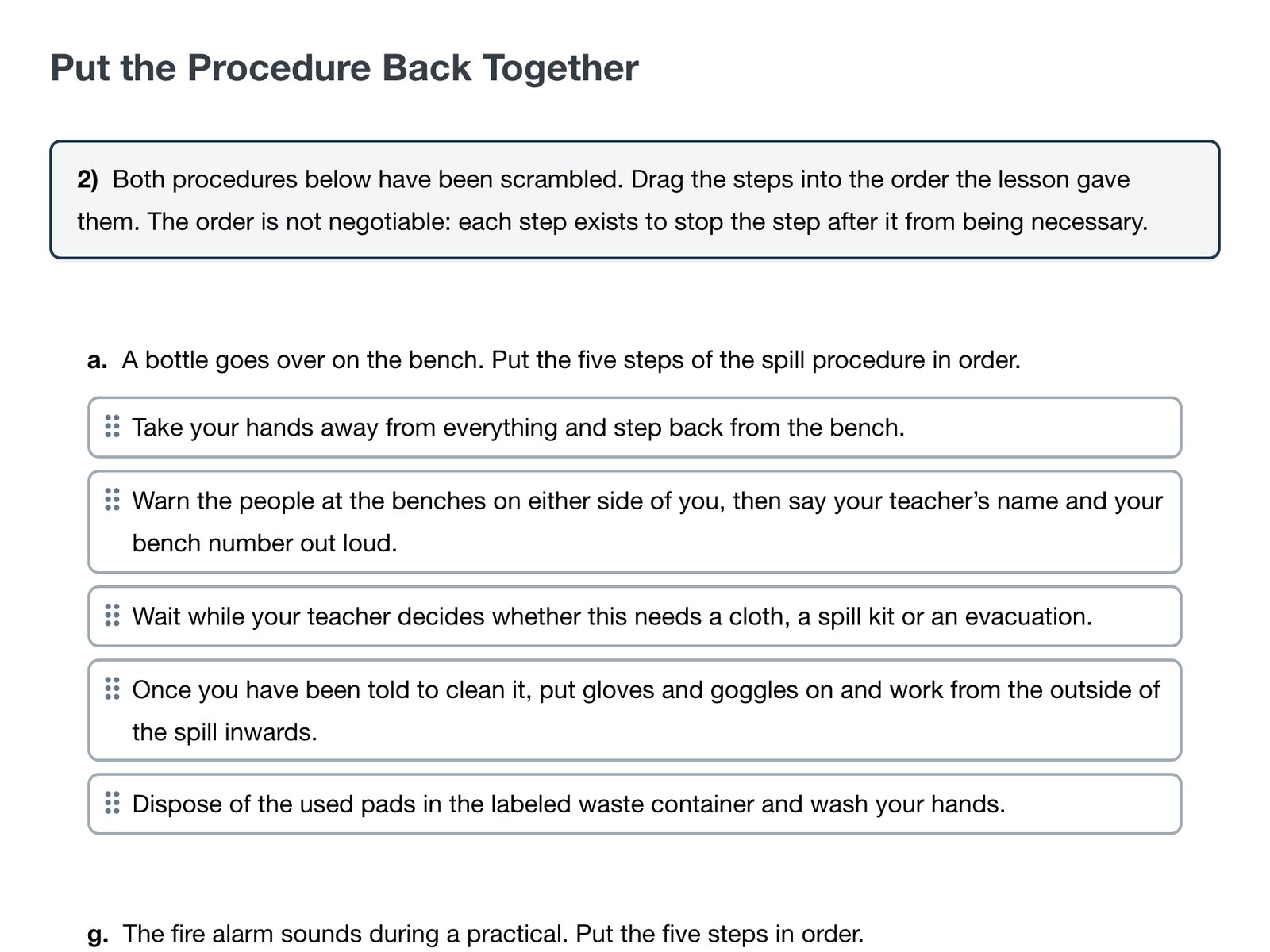
Cross-curricular units teach subject content in English, from chemistry labs to the surface of the Moon. Images are made to explain each idea, and the language objective always comes first.
- checkSubject content at the right language level
- checkImages made to explain each idea
- checkLanguage objectives come first

Practice
Practice after every lesson, marked automatically
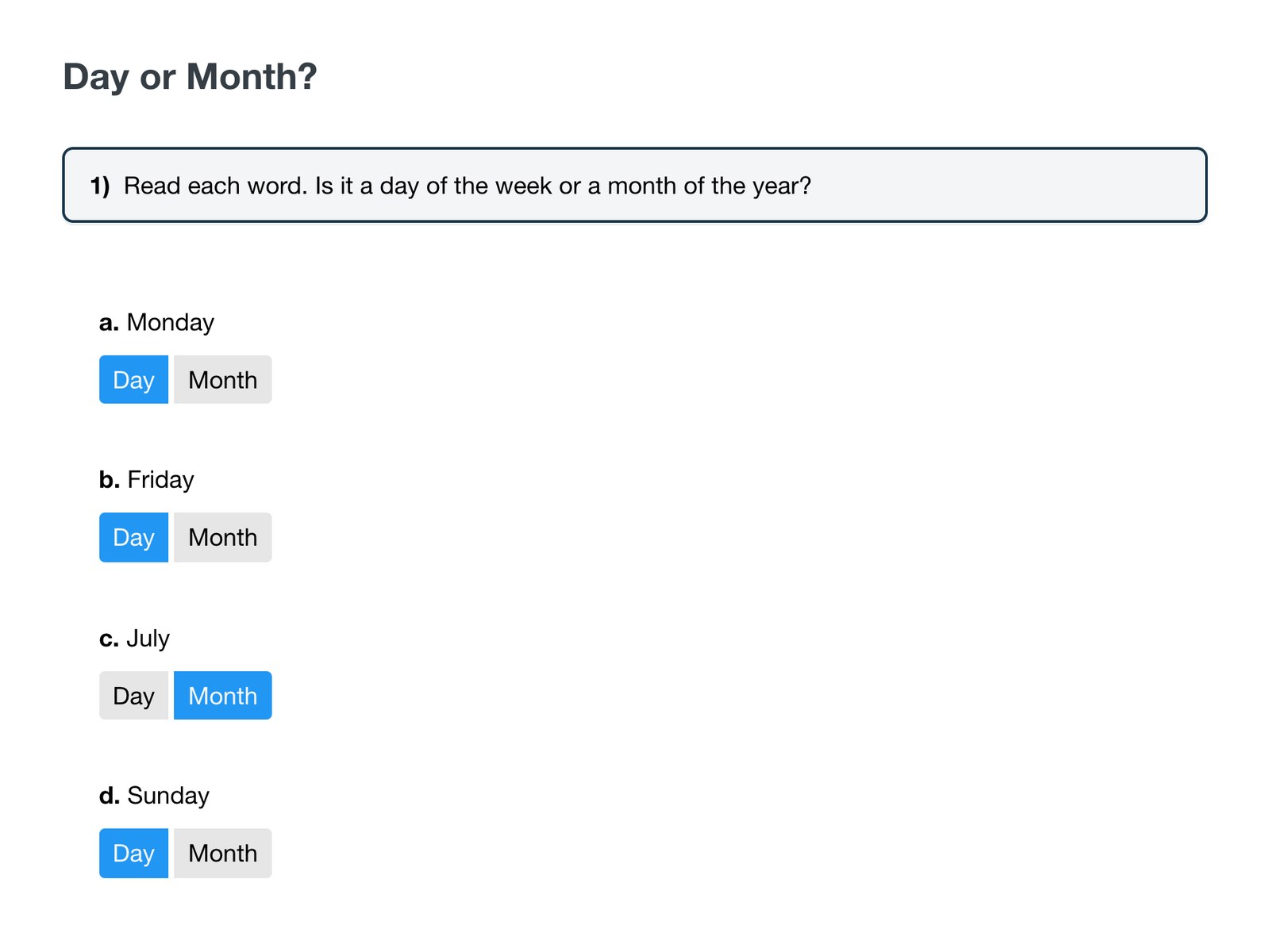
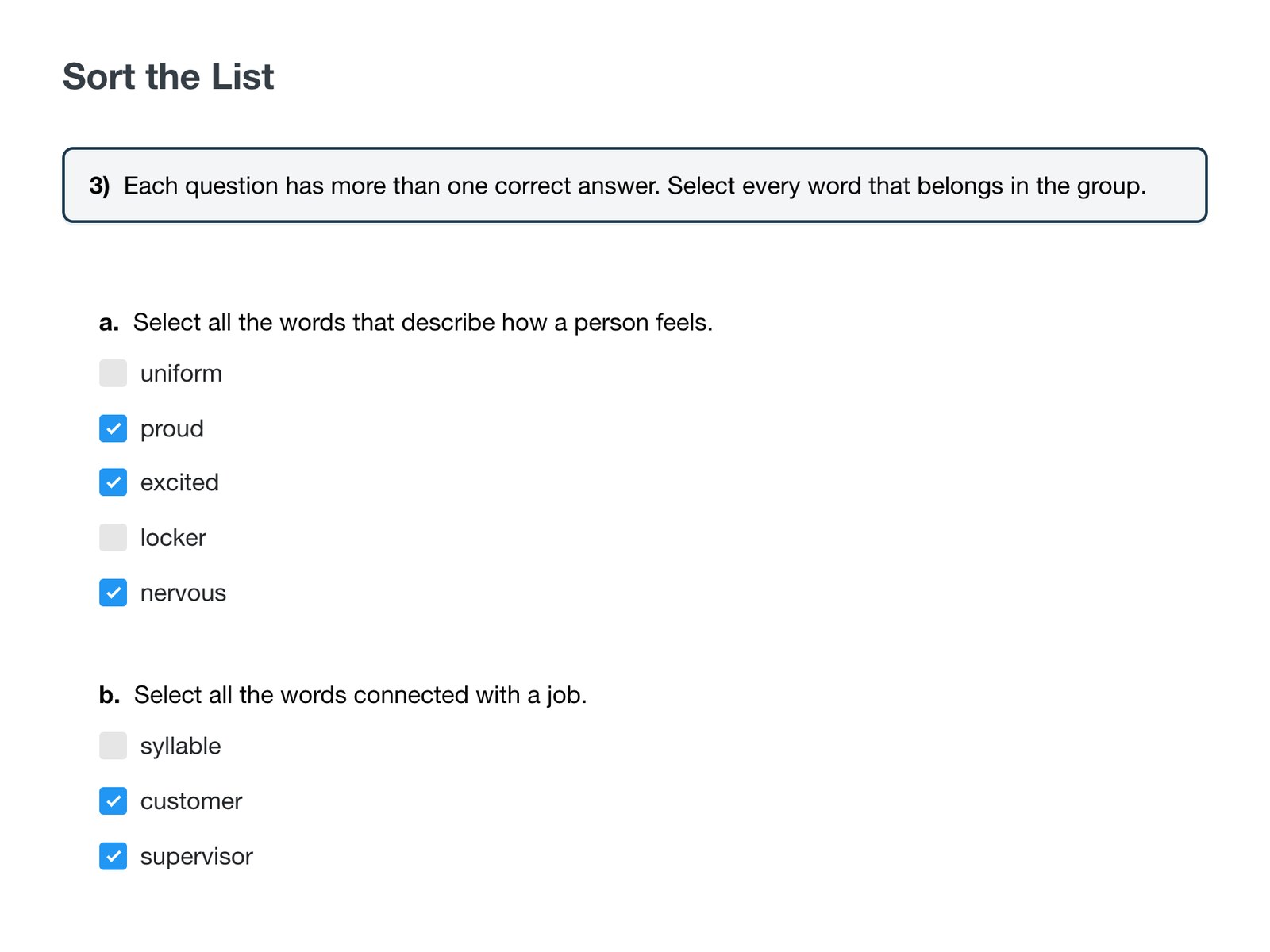
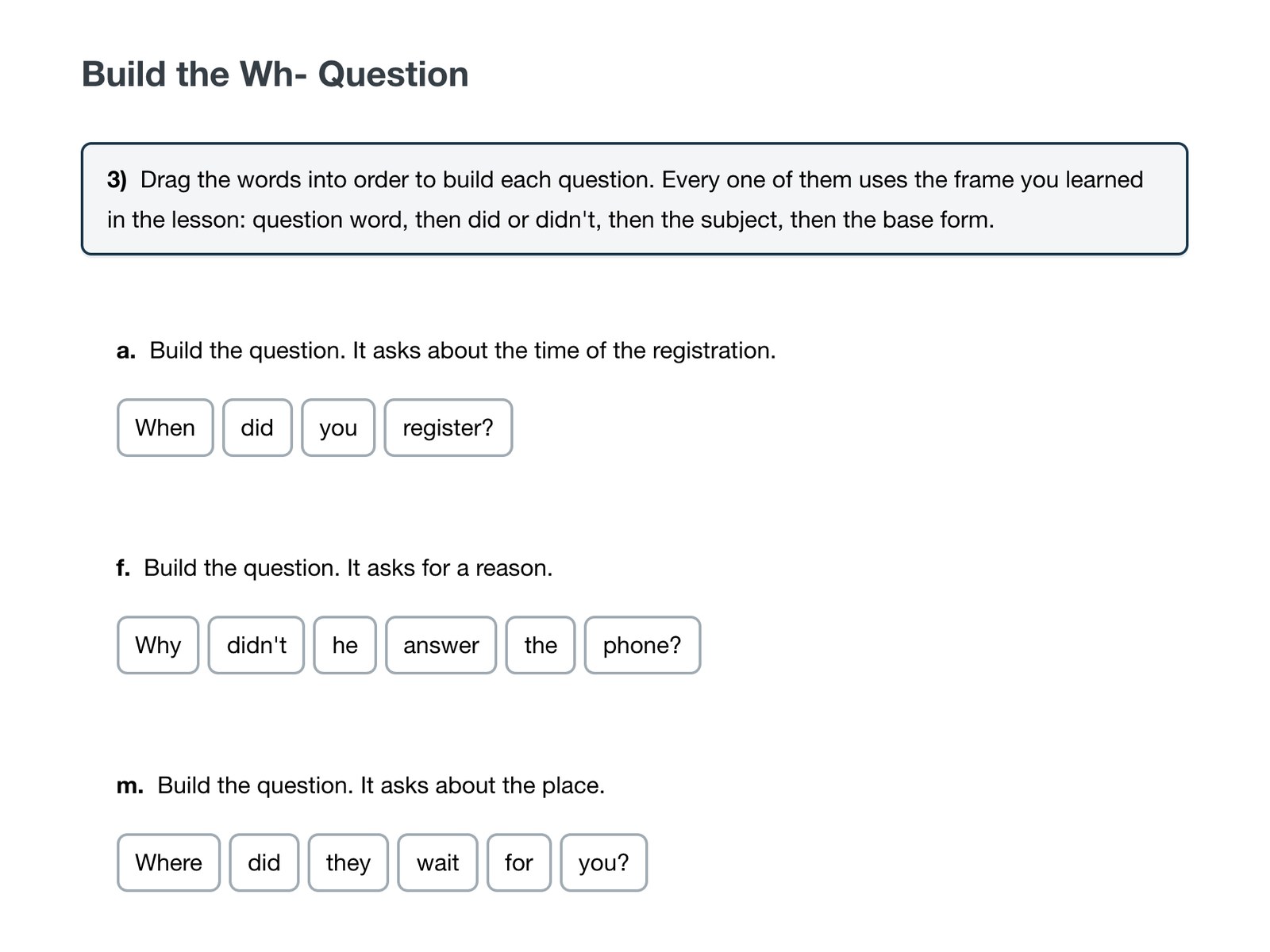
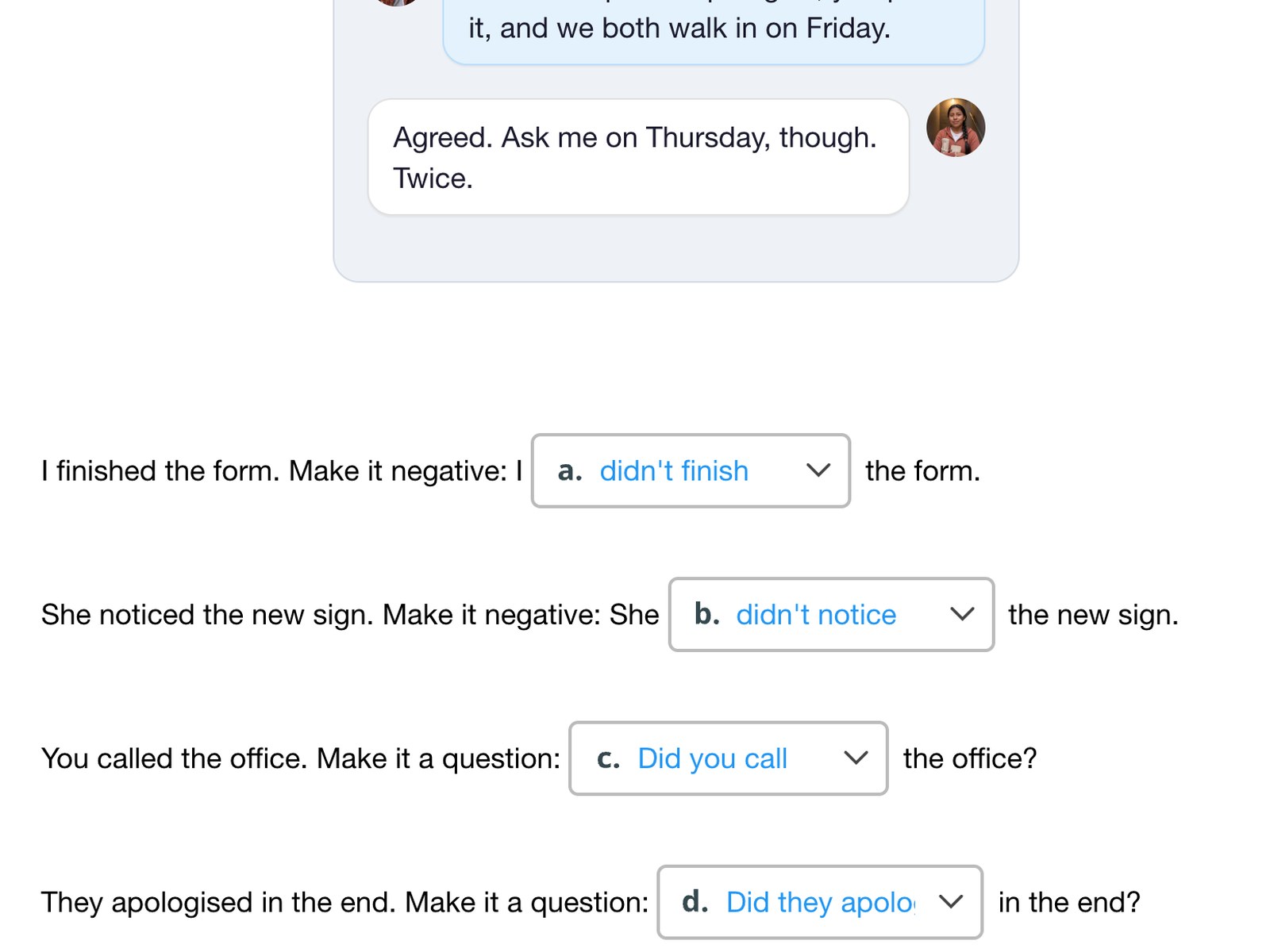
Every lesson is followed by practice on the same language, marked as soon as students submit and recorded in the gradebook. The question types below cover vocabulary, grammar, word order and reading; the screens come from our newest courses, with the answers filled in.
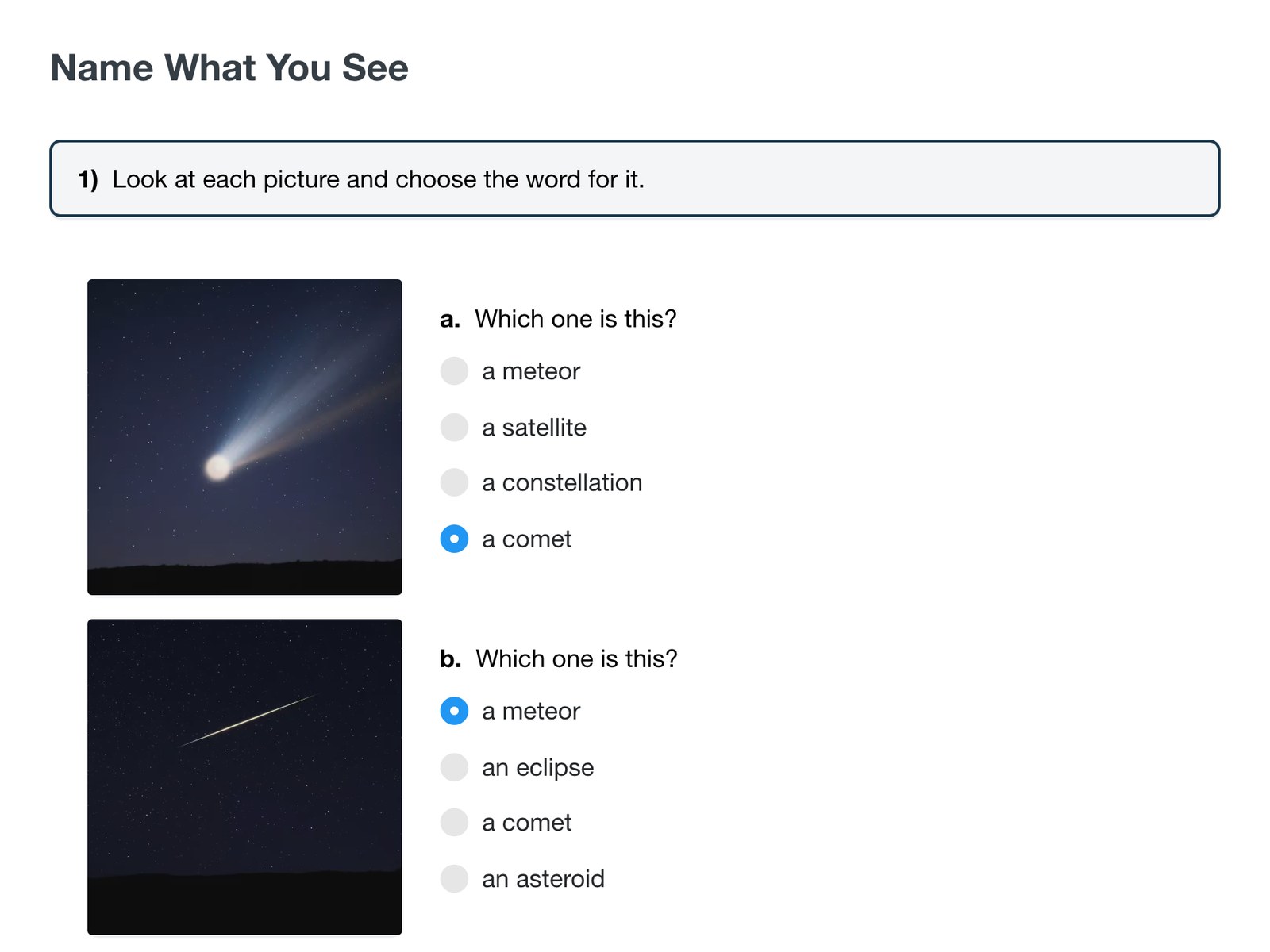
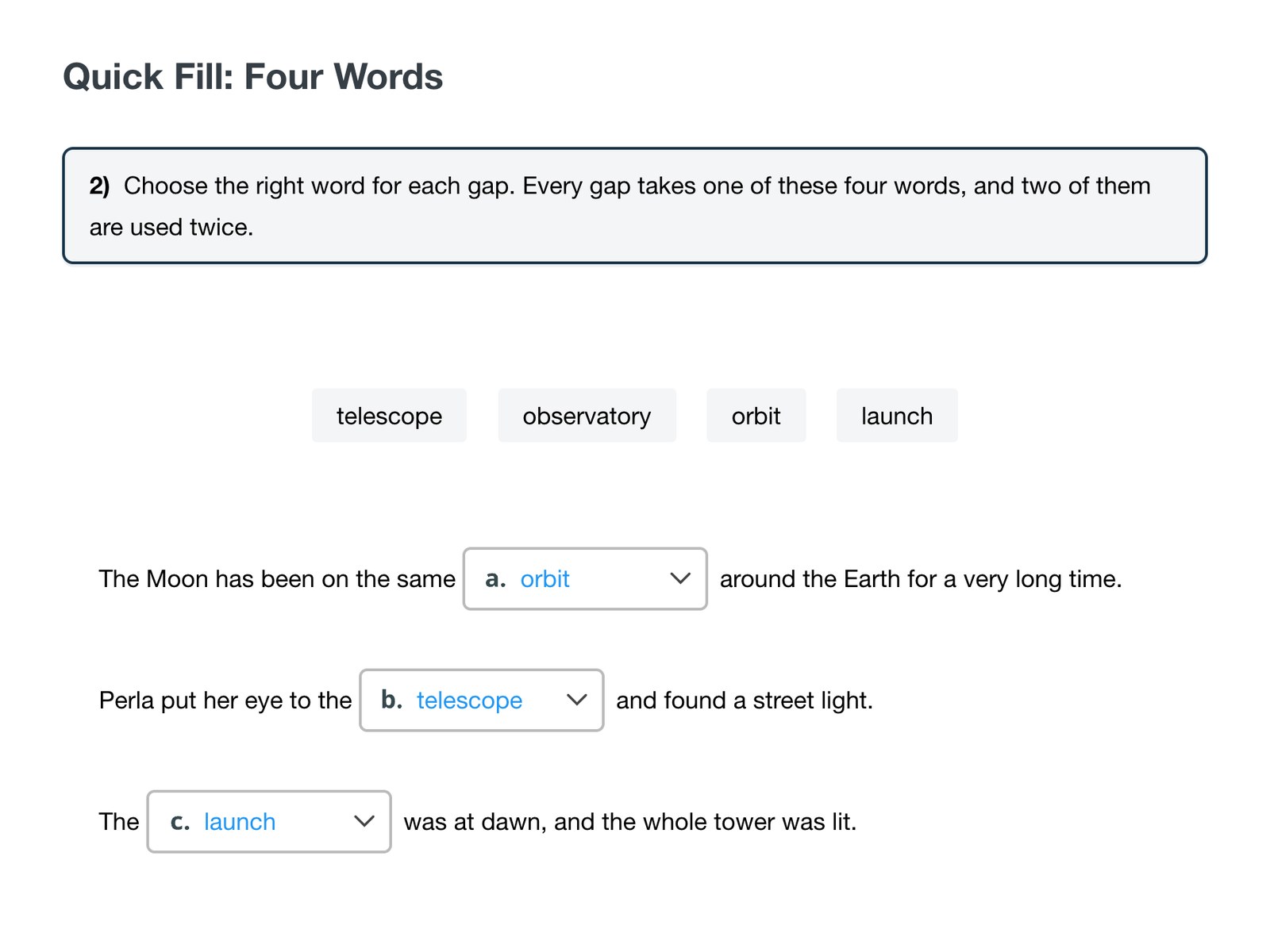
Language in context
Grammar practised in context
Exercises reuse the conversations, messages and documents from the lesson, so students practise grammar in the situations they have just met. This follows the communicative approach set out in Theory and Practice, rather than isolated drills.
- checkBuilt on the lesson’s own characters and texts
- checkScores the moment students submit
- checkAnswers shown when the teacher releases them
Daily vocabulary challenge
A daily vocabulary challenge that returns to difficult words
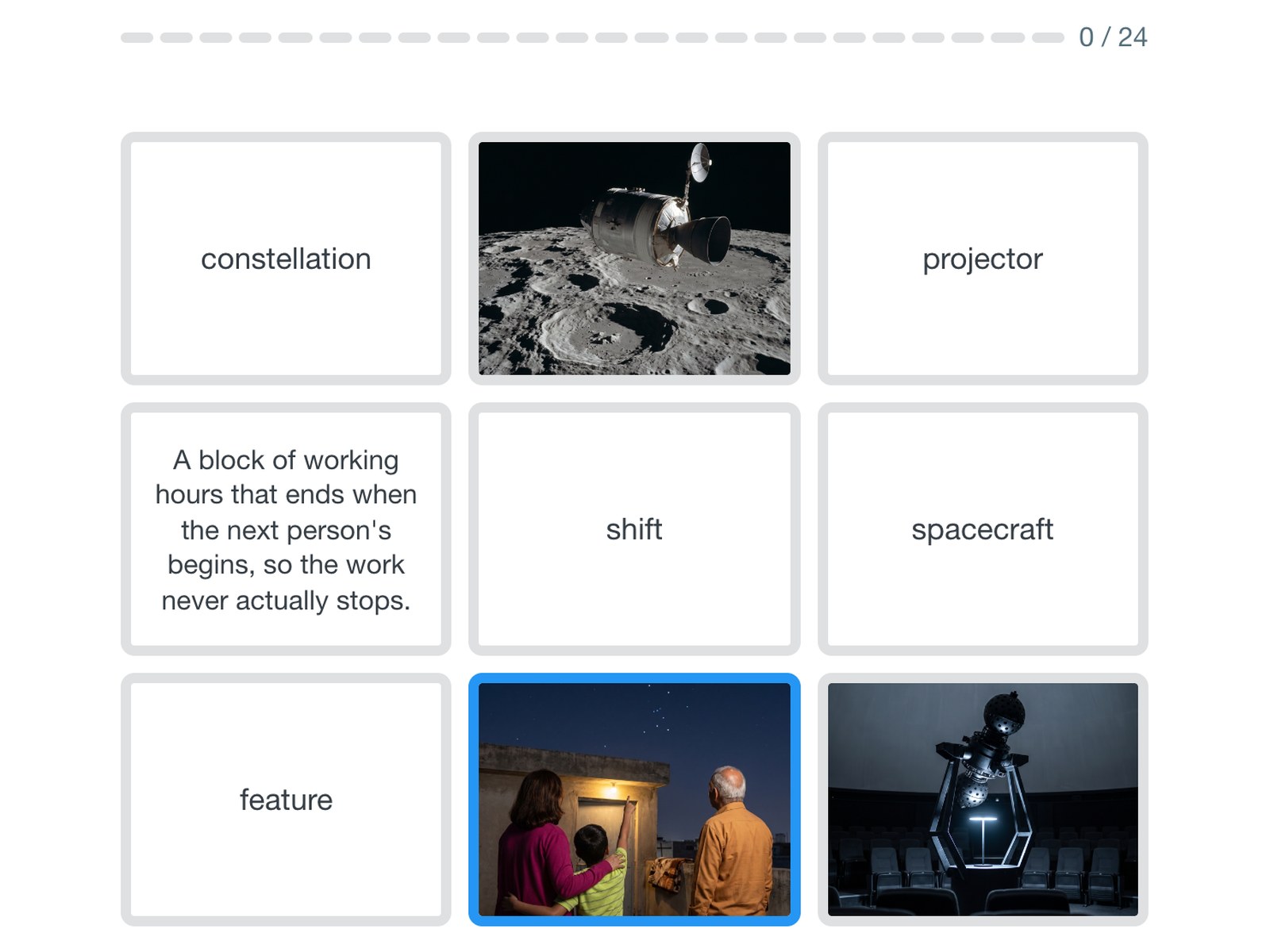
Students match pictures, words and meanings, listen and choose, and type the word. A word counts as known once they answer it correctly on three different days, and difficult words return until they do.
- checkPictures, audio and typing in one game
- checkKnown once right on three different days
- checkDaily streaks that encourage regular practice
- checkTeachers see who practised and the hardest words
For teachers
Marking and control stay with the teacher
Teachers decide when answers are released, mark speaking and writing themselves, and can add their own exercises beside the courses. Automatic marking covers only questions with set answers.
Marked on submit
Questions with set answers are marked automatically, with per-question detail for the teacher.
You choose when answers show
Students see their score at once; the answers appear when you release them.
You mark speaking and writing
Listen to recordings and read paragraphs, then grade them in the gradebook.
Write your own
Build your own exercises in Smrt Classroom and use them beside the courses.
Homework or class work
Assign practice as homework with a due date, or run it live in class.
One gradebook
Practice, quizzes, exams and paper scores together, exportable for reports.
Custom Curriculum
Build a course with us
For larger programs, as part of a wider partnership. Our curriculum team works with you to build a course around your syllabus, levels and exams, taught inside Smrt beside our 60+ courses.
- checkBuilt to your syllabus and level
- checkComplete units: lessons, practice, quizzes, audio and images
- checkLevels and outcomes mapped to CEFR
- checkReady to teach inside Smrt, beside our 60+ courses
- checkReviewed by experienced English teachers
Do teachers need to prepare anything?
Very little. Lessons are ready to teach from the classroom display, and teachers can add their own exercises and quizzes alongside them.
Who marks all this practice?
Questions with set answers are marked automatically when students submit, and each score is recorded in the gradebook. Teachers mark speaking and writing.
How much practice is there?
Lessons are followed by practice on the same language, and each unit adds quizzes and a review.
Can students see their mistakes?
Yes. Students see their score straight away, and the answers once the teacher releases them.
Can students study at home?
Yes. Every lesson opens in any current browser and on the Smrt Study app for iOS and Android.
What about true beginners?
Bilingual bridging courses give instructions and support in the student’s first language before they start the Adults track.
Can lessons follow our own syllabus?
For larger programs, as part of a wider partnership, our curriculum team can build courses to your syllabus and levels.
Near you
A Canadian company, with a team in Mexico.
Smrt Idiomas Mexico works with schools and universities from Sonora to Quintana Roo, in Spanish, on your term dates.

Near you
A Canadian company, with a team in Brazil.
Smrt Idiomas Brazil supports schools, universities and city programs across the country, in Portuguese.

Near you
A Canadian company, with a team in Colombia.
Our Colombian team works with schools and institutes across the country, in Spanish.

Near you
A Canadian company, with a team in India.
Smrt India works with schools, institutes and universities across the country.
Near you
A Canadian company, with a team in Turkey.
Our team in Turkey works with language schools and universities, in Turkish.
Talk to us
A Canadian company, based in Vancouver
Our head office is in Vancouver: the curriculum team, teacher training and support all work from here.
